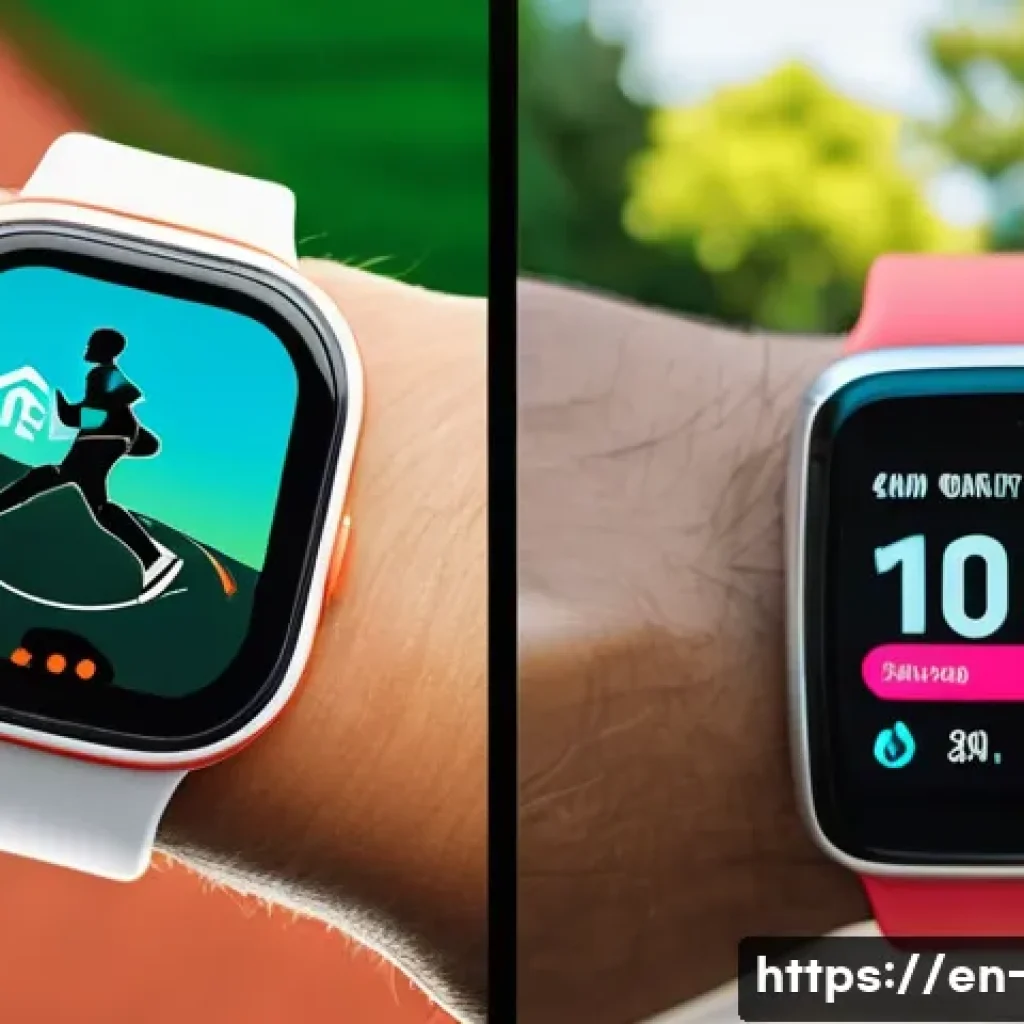
Hey everyone, it’s great to have you back on the blog! I don’t know about you, but it feels like just yesterday we were dreaming about gadgets that could actually tell us what was going on inside our bodies without a trip to the doctor.
Well, guess what? That future isn’t just here; it’s practically in our pockets and on our wrists! I’ve personally seen how smart healthcare, powered by these incredible wearable sensors, has utterly transformed the way we approach wellness and managing our health.
From tracking sleep cycles to monitoring heart rates with uncanny accuracy, these tiny tech wonders are giving us unprecedented insights into our physical well-being every single day.
It’s truly mind-blowing to think about how much data we can now gather about ourselves effortlessly. We’re talking about devices that not only log your steps but also analyze your oxygen saturation, detect subtle heart rhythm changes, and even offer stress management tips based on your real-time physiological responses.
The shift towards preventative care, fueled by AI-driven insights from our wearables, is absolutely massive right now. What I’ve experienced firsthand is this amazing sense of empowerment – knowing more about my body allows me to make smarter, proactive choices, rather than waiting for an issue to become a problem.
It’s like having a personal health coach and early warning system rolled into one sleek package, right there with you constantly. And let me tell you, the future looks even more exciting!
We’re on the cusp of truly seamless integration, where these sensors will become almost invisible, offering even more sophisticated, non-invasive monitoring capabilities that will further personalize our healthcare journey.
Forget basic fitness tracking; we’re talking about predictive analytics that could potentially flag health risks long before symptoms even appear, or highly personalized wellness plans delivered straight to your device.
It’s no longer just about tracking data; it’s about understanding it and using it to genuinely enhance our quality of life. Seriously, the potential here is monumental for optimizing our well-being and moving towards a healthier, more informed lifestyle.
Ready to unlock the full potential of smart healthcare and wearable sensors with me? Let’s dive right in and explore how these innovations are changing our world for the better!
Unlocking Your Body’s Secrets: How Wearables Redefined Personal Health
Honestly, it still feels a bit like science fiction, doesn’t it? I remember a time when checking your pulse meant pressing two fingers to your wrist, and tracking your activity involved a mental tally or, if you were really high-tech, a pedometer clipped to your belt. Fast forward to today, and my smartwatch is practically a health command center. It’s wild to think how quickly we’ve moved from basic step counting to devices that can genuinely give you a heads-up about potential health concerns. What I’ve personally found most empowering is the sheer volume of data I can access, and more importantly, how digestible and actionable it’s become. It’s not just numbers; it’s insights that help me understand my body in a way I never thought possible. For instance, getting an alert about an unusually high resting heart rate after a particularly stressful week prompted me to really look at my sleep patterns and stress management techniques, leading to some meaningful changes. This isn’t just about fitness anymore; it’s about a holistic understanding of our well-being, pushing us toward a more proactive stance on health.
From Step Counters to Life Savers: The Evolution of Wearables
Back when I first started playing around with wearables, they were, let’s be honest, pretty rudimentary. We were all excited about counting steps, maybe estimating calories burned, and that was about the extent of it. Fast forward a few years, and the leap in technology is absolutely staggering. My current device can track my blood oxygen saturation throughout the night, give me detailed sleep stage breakdowns, and even perform an ECG on demand. I actually know a friend whose wearable detected an irregular heart rhythm, prompting them to see a doctor who confirmed an underlying condition that might have gone unnoticed otherwise. That’s not just a fancy gadget; that’s a potential life-saver. The evolution has been so rapid and so impactful that it’s almost hard to keep up. We’re moving from simple metrics to complex physiological monitoring, often with medical-grade accuracy, all within a sleek, unobtrusive device that fits seamlessly into our daily lives. It’s genuinely transformed my perception of personal health management.
Beyond the Basics: What Advanced Sensors Are Telling Us
It’s incredible what these tiny sensors embedded in our watches and rings can pick up now. We’re way past just steps and heart rate. Think about it: continuous glucose monitoring for people with diabetes, blood pressure readings directly from your wrist, or even advanced sleep apnea detection. I’ve been fascinated by the new generation of sensors that can analyze my skin temperature variations, which, surprisingly, offers insights into everything from illness onset to menstrual cycle tracking. It’s like having a miniature diagnostic lab constantly running in the background, subtly gathering data that, when aggregated, paints a really comprehensive picture of my health trends. This deeper dive into our biometrics provides a truly personalized health narrative, highlighting subtle changes that might be early indicators of stress, fatigue, or even impending illness. The precision and variety of data points these advanced sensors collect are truly remarkable, offering a level of self-awareness that felt like pure fantasy just a decade ago.
The Data Revolution: Turning Numbers into Actionable Health Insights
The sheer volume of data our wearables collect daily is mind-boggling, isn’t it? But here’s the kicker: data alone isn’t enough. It’s how that data is analyzed and presented that truly makes a difference. I’ve personally seen how the integration of artificial intelligence and machine learning has transformed what used to be a jumble of numbers into genuinely actionable insights. It’s no longer about just logging your steps; it’s about understanding the impact of those steps on your overall cardiovascular health, or how your sleep quality affects your daily energy levels. This level of interpretation, often delivered through easy-to-understand graphs and personalized recommendations, is where the real magic happens for me. It’s like having a team of data scientists and health coaches working together to distill complex physiological information into practical advice for a healthier lifestyle. The best part? This process is continuous, learning and adapting to my unique patterns over time, making the advice increasingly tailored and effective. It’s a game-changer for anyone serious about optimizing their well-being.
AI and Machine Learning: Your Personal Health Analysts
If you’re anything like me, you might have initially felt a bit overwhelmed by all the numbers your wearable spits out. That’s where AI and machine learning step in, and believe me, they are truly remarkable. These intelligent algorithms crunch through mountains of data – your heart rate, sleep cycles, activity levels, stress metrics – and identify patterns that a human eye would likely miss. I’ve been particularly impressed with how my device uses AI to detect subtle changes in my heart rate variability, which often gives me an early indication of impending stress or fatigue. It’s like having a super-smart assistant that not only collects the information but also understands what it means for *me*. This personalized analysis is crucial; it moves beyond generic health advice to insights that are truly relevant to my body and my lifestyle. For instance, instead of just telling me I didn’t get enough sleep, it might highlight a trend where my sleep quality dips after late-night screen time, prompting me to adjust my evening routine. It’s this intelligent interpretation that transforms raw data into a powerful tool for self-improvement.
Predictive Power: Spotting Issues Before They Become Problems
This is, for me, one of the most exciting frontiers of smart healthcare: the ability to predict potential health issues before they even manifest as noticeable symptoms. My wearable, thanks to its sophisticated algorithms, has actually given me early warnings. I recall one instance where it flagged a consistent elevation in my resting heart rate and a drop in my oxygen saturation over several days. While I felt fine, it prompted me to pay closer attention, and lo and behold, a mild cold was brewing just beneath the surface. This kind of predictive analytics is incredibly powerful. It’s not about diagnosing serious illnesses (yet!), but about giving us the opportunity to be proactive. Imagine being alerted to subtle changes in your biometrics that might indicate increased stress, a weakening immune system, or even early signs of a sleep disorder. This early detection capability allows for timely interventions, whether it’s adjusting your workout routine, focusing on stress reduction, or seeking professional medical advice sooner rather than later. It’s truly a shift from reactive care to preventative well-being, and I feel much more in control of my health because of it.
Real-World Impact: Stories from the Front Lines of Smart Health
When we talk about smart healthcare and wearables, it’s easy to get lost in the tech jargon. But for me, the most compelling aspect is the genuine, tangible impact these devices are having on real people’s lives. I’ve heard countless stories, and experienced some personally, that highlight how these tiny gadgets are empowering individuals, making a difference where it truly counts. It’s not just about hitting your step count anymore; it’s about a deeper connection to your body, a greater sense of control, and often, a much-needed push towards better habits. From friends who’ve completely revamped their sleep hygiene after seeing detailed reports, to family members who use them to keep a watchful eye on chronic conditions, the testimonials are everywhere. These aren’t just gadgets; they’re becoming trusted partners in our health journeys, offering a constant, non-judgmental stream of feedback that encourages us to live healthier, more informed lives. It’s truly heartwarming to see how technology can be so intimately integrated into our daily routines to genuinely improve quality of life for so many.
Managing Chronic Conditions with a Digital Partner
For individuals managing chronic conditions like diabetes or heart disease, wearables are nothing short of revolutionary. I’ve witnessed firsthand how a friend with Type 1 diabetes has been able to gain unprecedented control over their blood sugar levels thanks to continuous glucose monitors that integrate seamlessly with their smartwatch. This constant, real-time feedback allows for immediate adjustments to diet and insulin, preventing dangerous highs and lows. Similarly, for those at risk of heart conditions, devices that offer on-demand ECGs or continuous heart rate monitoring provide a crucial sense of security and early warning. It’s like having a vigilant guardian angel always keeping an eye on your vital signs. This consistent data collection provides doctors with a much more comprehensive picture of a patient’s health trends over time, allowing for more personalized and effective treatment plans. It transforms the management of chronic illness from a reactive scramble into a proactive, data-driven approach, significantly reducing anxiety and improving overall quality of life.
Elevating Athletic Performance and Recovery
As someone who enjoys staying active, I can tell you that wearables have completely changed my approach to fitness and recovery. Gone are the days of just “feeling” if I had a good workout or enough rest. My device now tracks everything from my training load and recovery time to my VO2 max and how effectively my body is adapting to stress. I’ve personally used these insights to fine-tune my running schedule, ensuring I’m not overtraining and giving my body adequate time to repair and rebuild. It’s like having a highly sophisticated sports scientist constantly analyzing my performance. This level of detail has not only helped me prevent injuries but also optimize my training for better results, whether it’s shaving seconds off my personal best or simply having more energy for my daily activities. Beyond performance, the recovery metrics – like deep sleep duration and heart rate variability during rest – are absolutely invaluable for ensuring I bounce back stronger, ready for the next challenge. It’s an indispensable tool for anyone serious about maximizing their athletic potential.
Navigating the Tech Landscape: Choosing the Right Wearable for You
With so many incredible options out there, choosing the right wearable can feel a bit like trying to pick a needle out of a haystack, right? I’ve been there, staring at countless product pages, trying to decipher which features genuinely matter for my needs. It’s not just about the brand or the aesthetic anymore; it’s about aligning the device’s capabilities with your personal health goals and lifestyle. Do you need advanced athletic tracking, or are you primarily focused on general wellness and sleep? Is battery life a deal-breaker for you, or do you mind charging it daily? These are the kinds of questions I encourage everyone to ask themselves. What I’ve learned through my own trials and errors is that the “best” wearable isn’t necessarily the most expensive or feature-rich one; it’s the one that seamlessly integrates into *your* life and provides *you* with the most meaningful and actionable insights. It’s a personal journey, and taking the time to understand your priorities will make all the difference in finding your perfect health tech companion.

Key Features to Look For: What Truly Matters
When you’re sifting through all the dazzling marketing claims, it’s helpful to zero in on what truly matters for your specific needs. For me, non-negotiables include accurate heart rate monitoring, reliable sleep tracking, and, ideally, SpO2 (blood oxygen) measurements. If you’re into fitness, GPS accuracy, specific workout modes, and recovery metrics like HRV (Heart Rate Variability) become paramount. For general wellness, stress tracking and guided breathing exercises can be incredibly beneficial. Battery life is another huge one – nothing’s more frustrating than a dead device when you need it most, so consider how often you’re willing to charge. And don’t forget ecosystem compatibility: does it work well with your smartphone and other health apps you already use? I’ve found that focusing on these core functionalities first, rather than getting swayed by every shiny new feature, helps cut through the noise and ensures you invest in a device that genuinely serves your wellness journey. My advice? Prioritize based on your daily routine and what data points you actually plan to utilize.
| Feature Category | Key Considerations & Benefits | Why it Matters to You |
|---|---|---|
| Activity Tracking | Steps, distance, calories burned, active minutes. Essential for monitoring daily movement and setting fitness goals. | Helps you stay accountable and understand your baseline activity levels. |
| Heart Rate Monitoring | Continuous tracking, resting heart rate, heart rate zones, ECG capability. Crucial for cardiovascular health and workout intensity. | Provides insights into fitness levels, stress, and potential heart irregularities. |
| Sleep Tracking | Sleep stages (REM, deep, light), duration, quality scores, SpO2 (blood oxygen). Vital for understanding recovery and overall well-being. | Identifies sleep patterns, helps optimize sleep hygiene, and detects potential issues like sleep apnea. |
| Stress Monitoring | HRV (Heart Rate Variability), guided breathing exercises. Aids in managing mental and physical stress. | Offers real-time insights into stress levels and tools to promote relaxation. |
| GPS & Navigation | Built-in GPS for outdoor activities, route tracking, pace, elevation. Important for runners, cyclists, and hikers. | Accurate tracking of outdoor workouts without needing your phone. |
| Battery Life | Hours to days of usage on a single charge. Varies greatly by device and feature usage. | Minimizes charging frequency, ensuring continuous data collection. |
Understanding Data Privacy and Security in the Wearable World
This is a big one, and it’s something I think about constantly: data privacy. Our wearables collect incredibly intimate information about our bodies and our habits. Who has access to that data? How is it stored? Is it truly secure? These are not trivial questions. I always make sure to read the privacy policy (yes, the long, boring document!) for any new device or app I use. Look for companies that are transparent about their data handling practices, prioritize encryption, and give you control over your data. For instance, reputable brands usually allow you to download your data, delete it, or choose what you share. I’ve personally opted to only share aggregated, anonymized data for research purposes, if at all. It’s important to remember that while the convenience of these devices is immense, the responsibility to protect our personal health information ultimately falls to us, the users. Be vigilant, ask questions, and ensure you’re comfortable with how your most personal data is being managed before you fully embrace a new wearable.
The Future is Now: What’s Next for Smart Healthcare and Wearables?
It’s genuinely thrilling to ponder what’s on the horizon for smart healthcare and wearables. What we’re seeing today, as impressive as it is, feels like just the tip of the iceberg. I envision a future where these devices become even more integrated, more intuitive, and frankly, almost invisible. We’re talking about a seamless web of personal health monitoring that works tirelessly in the background, providing truly hyper-personalized insights and interventions. Imagine sensors woven into your clothing, smart rings that take continuous blood pressure readings, or even contact lenses that monitor your glucose levels without any fuss. The possibilities are truly mind-boggling, and what excites me the most is the shift towards truly proactive, preventative care on a scale we’ve only dreamed of. It’s no longer just about tracking; it’s about a deeply intelligent system that understands your unique physiology and helps you make optimal choices for your health, often before you even realize you need to. I honestly can’t wait to see how these innovations continue to shape our journey towards healthier, more empowered living.
Seamless Integration: Invisible Tech and Hyper-Personalization
The next big leap, in my opinion, will be a move towards even more seamless, almost invisible integration of smart sensors into our daily lives. Imagine not even needing a bulky watch. We’re talking about smart fabrics that monitor your vital signs directly from your clothes, or discreet patches that provide continuous biometric data without you even noticing they’re there. This level of unobtrusiveness will make health monitoring feel completely natural, removing any barriers to consistent use. But it’s not just about aesthetics; it’s about hyper-personalization. With more continuous, nuanced data, AI algorithms will become incredibly adept at understanding each individual’s unique physiological baseline and variations. This means the advice and insights you receive won’t just be general recommendations; they’ll be tailored with pinpoint accuracy to your body, your lifestyle, and even your current mental state. I personally believe this will lead to truly bespoke health plans and real-time interventions that are far more effective than anything we have today, making healthcare feel less like a one-size-fits-all approach and more like a deeply personal partnership.
The Doctor in Your Pocket: Remote Monitoring and Telemedicine
One of the most profound shifts I anticipate is the acceleration of remote monitoring and telemedicine, truly bringing the “doctor in your pocket” to life. Think about it: continuous, clinically relevant data being securely shared with your healthcare provider, allowing them to monitor chronic conditions, adjust medication, and even detect early signs of illness without you ever needing to step foot in a clinic. I’ve already seen how useful telemedicine has been, especially in recent years, but combining it with real-time biometric data from wearables takes it to an entirely new level. Imagine a future where your wearable detects a subtle change in your heart rhythm, alerts your doctor, and a virtual consultation is scheduled automatically, all before you experience any noticeable symptoms. This proactive, data-driven approach has the potential to dramatically improve access to care, reduce healthcare costs, and most importantly, lead to earlier diagnoses and more effective treatments. It’s a vision of healthcare that is more responsive, more accessible, and ultimately, more centered around the individual, and I truly believe wearables are the key to unlocking it.
To Conclude
And there you have it, folks! It’s truly been an incredible journey exploring how wearables have utterly transformed our relationship with personal health. From those early, clunky step counters to the sophisticated health guardians we strap on today, it’s clear these devices are more than just gadgets; they’re becoming essential partners in our well-being. What I’ve personally taken away from all of this is a profound sense of empowerment – the ability to understand my body better, make informed choices, and even anticipate potential issues. It’s a continuous conversation with our physiology, guided by data and interpreted by intelligent algorithms, all leading us toward a more proactive, personalized, and healthier future. I genuinely believe that embracing this technology isn’t just about staying fit; it’s about investing in a longer, richer, and more informed life.
Useful Information to Know
1. Always cross-reference any concerning data from your wearable with professional medical advice; these devices are fantastic for insights but aren’t diagnostic tools.
2. Regularly clean your wearable’s sensors and ensure a snug, but not overly tight, fit for the most accurate readings, especially for heart rate and SpO2.
3. Don’t forget to explore the accompanying app! That’s where the real magic of data analysis and personalized insights often happens, beyond just what’s on your wrist.
4. Battery life varies significantly, so choose a device that aligns with your charging habits. Some need daily juice, others can go for weeks.
5. Be mindful of data privacy settings. You’re sharing intimate health data, so understand what you’re consenting to and adjust sharing preferences accordingly.
Key Takeaways
Reflecting on everything we’ve covered, the most significant message I want to convey is that smart healthcare, powered by wearables, truly represents a paradigm shift. We’re moving from a reactive approach to health – waiting for symptoms to appear – to a deeply proactive, preventative one. My own journey, and countless stories I’ve encountered, underscore how empowering it is to have continuous, personalized insights into your body’s unique rhythms. This isn’t about replacing doctors; it’s about equipping us with better information to have more meaningful conversations with our healthcare providers and to take ownership of our daily well-being. The seamless integration of advanced sensors, intelligent AI analysis, and the potential for remote monitoring means that optimizing health is no longer a guessing game. It’s a data-driven path, allowing us to not just live longer, but to live better, with greater awareness and control. Trust me, once you experience the profound understanding these devices offer, you’ll wonder how you ever managed without them. It’s an investment in yourself that truly pays dividends.
Frequently Asked Questions (FAQ) 📖
Q: So, what kind of specific health insights can I really get from these wearable sensors that I can’t get otherwise?
A: That’s such a great question, and honestly, it’s what truly sets these devices apart! Beyond just counting your steps, which, let’s be real, we’ve been doing for ages, modern wearables give you a deep dive into your body’s daily rhythm.
I’ve personally been amazed by how much I’ve learned about my own sleep cycles, for instance – not just how long I sleep, but the quality, the REM stages, and even when I’m restless.
Then there’s heart rate monitoring, which goes beyond a simple pulse; some devices can detect subtle heart rhythm changes that might indicate something worth discussing with your doctor.
I’ve seen friends use theirs to track oxygen saturation during workouts or even at altitude, and the stress management features, which often combine heart rate variability with other metrics, have given me a real-time sense of when I need to take a breather.
It’s like having a little scientist on your wrist, constantly observing and reporting back invaluable data about your physical state!
Q: How is this “preventative care” aspect actually helping everyday people avoid health problems down the road, and what does that look like in practice?
A: This is where the magic truly happens, in my opinion! The shift towards preventative care isn’t just a buzzword; it’s a game-changer. What I’ve experienced firsthand is that by having a continuous stream of data about my body, I’m empowered to make proactive choices before a small issue balloons into a big one.
For example, if my sleep patterns consistently show low quality, I might adjust my evening routine or try a new relaxation technique. If my resting heart rate starts creeping up over time without a clear reason, it’s a nudge to perhaps review my diet or stress levels.
It’s like having an early warning system. Many wearables now offer AI-driven insights that can spot trends you might miss, suggesting things like “You seem less active on Thursdays, maybe try a mid-week walk?” or “Your sleep quality dipped after that late-night coffee.” It transforms healthcare from a reactive “fix it when it breaks” model to a proactive “let’s keep you in optimal shape” approach, giving you the power to steer your own wellness journey every single day.
Q: With all this talk about the future, what’s the next big thing we can realistically expect from smart healthcare and wearables that will truly change our lives?
A: Oh, the future is looking incredibly exciting, and I genuinely believe we’re just scratching the surface! Forget clunky devices; I foresee truly seamless integration where these sensors become almost invisible, perhaps embedded in clothing or even as tiny, imperceptible patches.
We’re talking about much more sophisticated, non-invasive monitoring capabilities – imagine continuous glucose monitoring without a needle, or even real-time insights into your hydration levels just from your skin!
What I’m most thrilled about, though, is the potential for predictive analytics. Right now, devices give us data about what’s happening, but in the near future, they could potentially flag health risks long before symptoms even appear, based on subtle physiological shifts that only continuous, advanced monitoring can detect.
This isn’t just about tracking; it’s about anticipating. And on top of that, hyper-personalized wellness plans delivered straight to your device, adapting in real-time to your body’s needs, will make truly individualized health management a reality for everyone.
Seriously, the potential for optimizing our well-being and moving towards a healthier, more informed lifestyle is monumental!