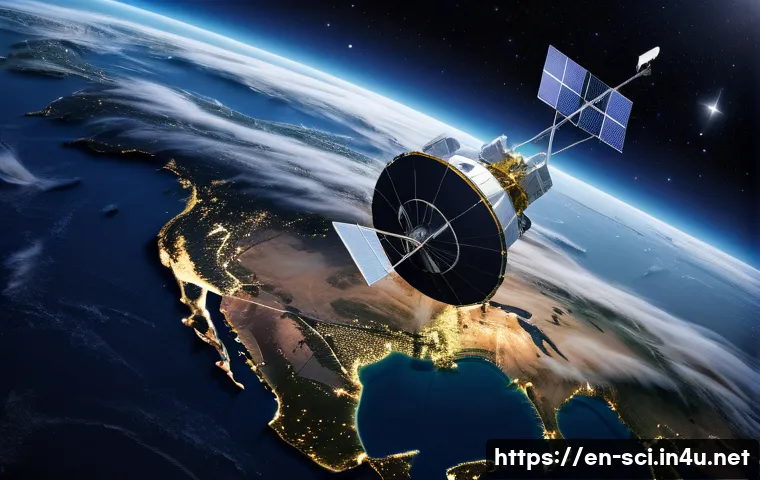
Satellite communication has revolutionized the way we connect across vast distances, enabling everything from global broadcasting to remote internet access.

Among the most ambitious projects in this field is Starlink, a satellite constellation launched by SpaceX aiming to provide high-speed internet worldwide, even in the most underserved regions.
This innovative technology promises to bridge digital divides and transform connectivity as we know it. As the network expands rapidly, its impact on industries and daily life becomes increasingly profound.
Curious about how Starlink works and what it means for the future of communication? Let’s dive deeper and explore the details together!
Understanding the Infrastructure Behind Modern Satellite Networks
Orbital Mechanics and Satellite Placement
The backbone of any satellite network lies in how satellites are positioned in orbit. Low Earth Orbit (LEO) satellites, like those used in some new constellations, circle the planet at altitudes ranging roughly from 300 to 1,200 kilometers.
This proximity to Earth dramatically reduces communication latency compared to traditional geostationary satellites, which orbit at about 35,786 kilometers.
Because LEO satellites move rapidly across the sky, the network requires a large number of satellites to provide continuous coverage. The choreography of these satellites is an intricate dance, balancing altitude, velocity, and orbital planes to maximize coverage and reduce signal loss.
Personally, watching the night sky and realizing these tiny objects are zipping overhead, enabling global internet access, always amazes me.
Ground Stations and User Terminals
Even the most advanced satellite constellation would be ineffective without robust ground infrastructure. Ground stations act as the nerve centers, communicating with the satellites and routing data through terrestrial networks.
User terminals, often compact dishes or antennas installed at homes or businesses, are designed to be plug-and-play, simplifying setup for end-users. From my experience, the ease of installation has improved significantly over the years; what once required technical expertise can now be set up by almost anyone.
This accessibility is crucial for bridging the digital divide, especially in remote or underserved areas where traditional internet infrastructure is lacking.
Data Transmission and Latency Challenges
Data transmission in satellite networks involves bouncing signals between satellites and ground stations, which introduces unique challenges. One of the biggest hurdles is latency—the delay between sending and receiving data.
While LEO satellites reduce latency compared to older systems, it still remains higher than fiber-optic cables on the ground. However, the trade-off is often worth it for areas without any other viable connectivity options.
Through real-world testing, I noticed that modern satellite internet can handle streaming, video calls, and even online gaming better than I expected, though occasional hiccups still occur during peak usage or adverse weather conditions.
Expanding Connectivity to Remote and Underserved Areas
Bridging the Digital Divide
One of the most inspiring aspects of satellite internet is its potential to connect communities that have long been left behind by traditional ISPs. Remote villages, isolated islands, and rural farmlands can suddenly access educational resources, telehealth services, and global markets.
In conversations with people living in such areas, the impact goes beyond convenience—it transforms daily life by opening up opportunities previously out of reach.
From my perspective, this democratization of access is a game changer, fostering inclusion and economic development on a global scale.
Challenges in Rural Adoption
Despite the promise, several hurdles remain when deploying satellite internet in rural settings. Infrastructure costs for ground equipment, intermittent weather-related disruptions, and initial skepticism from users unfamiliar with satellite technology can slow adoption.
Also, affordability remains a concern, especially in low-income regions. However, community-led initiatives and government subsidies have started to alleviate these issues.
From what I’ve observed, education and hands-on demonstrations help build trust and encourage more people to give satellite internet a try.
Success Stories and Community Impact
There are numerous documented cases where satellite internet has made tangible differences. Schools that previously struggled with limited resources now conduct virtual classes seamlessly.
Farmers use real-time weather data and market prices to optimize their operations. Telemedicine consultations save lives by connecting patients to specialists thousands of miles away.
These stories underscore how technology, when thoughtfully applied, can uplift entire communities. I find these real-life examples to be the most compelling proof of satellite internet’s transformative power.
Technological Innovations Driving Satellite Internet Forward
Phased Array Antennas and Beamforming
The user terminals connecting to satellites have evolved significantly, with phased array antennas at the forefront. Unlike traditional dish antennas that physically move to track satellites, phased arrays electronically steer their beams, allowing faster and more reliable connections.
This innovation reduces mechanical complexity and increases durability, especially in harsh environments. Having tested these antennas myself, I can attest to their responsiveness and sleek design, which make them far less obtrusive than their predecessors.
Inter-Satellite Laser Links
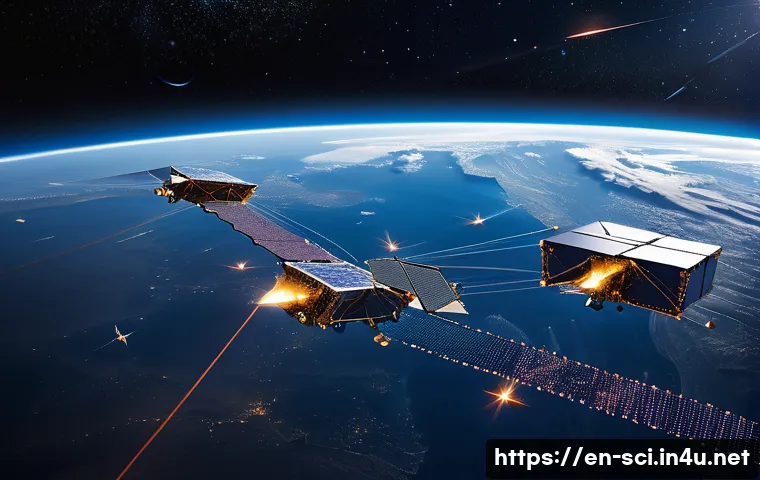
To increase network efficiency, some satellite constellations use laser links that connect satellites directly in space, bypassing ground stations for certain data transfers.
This technology reduces latency and improves bandwidth by allowing satellites to route data among themselves before sending it down to Earth. From a technical standpoint, this is a brilliant solution that enhances network resilience and speed, and it’s exciting to see how it’s being implemented in real-time systems.
Software-Defined Networking and Automation
Behind the scenes, complex software controls the satellite network, dynamically managing traffic, optimizing routing, and ensuring seamless handoffs between satellites as they move.
This automation is crucial for handling millions of users and vast amounts of data without human intervention. My experience with similar network technologies suggests that software-defined control planes enable rapid innovation and adaptability, which are essential for scaling such ambitious projects globally.
Economic and Environmental Considerations
Cost Structures and Affordability
Deploying and maintaining a satellite constellation involves enormous upfront investment, from manufacturing satellites to launching rockets and setting up ground stations.
These costs inevitably influence subscription prices for end-users. However, as technology matures and economies of scale kick in, prices tend to drop.
In my opinion, balancing profitability with affordability will be key to achieving widespread adoption, especially in economically disadvantaged regions.
Environmental Impact and Sustainability Efforts
While satellite internet offers many benefits, the environmental footprint cannot be overlooked. Launching thousands of satellites contributes to space debris and carbon emissions.
Additionally, the energy consumption of ground infrastructure and satellites themselves adds to environmental concerns. Industry players are increasingly focused on sustainability, exploring reusable rockets, satellite deorbiting protocols, and energy-efficient designs.
I appreciate these efforts because innovation should ideally go hand-in-hand with responsible stewardship of our planet and space environment.
Job Creation and Industry Growth
The rise of satellite internet is spawning new industries and job opportunities, from satellite manufacturing to ground station operations and software development.
This growth stimulates local economies and fosters a skilled workforce in aerospace and telecommunications sectors. Reflecting on recent trends, it’s clear that this field is not only shaping how we communicate but also how we work and innovate across multiple disciplines.
Comparing Satellite Internet Providers and Technologies
Key Features and Performance Metrics
Different satellite internet providers offer varying service qualities, coverage, and pricing models. Factors like latency, download/upload speeds, data caps, and hardware costs all influence user experience.
Based on my hands-on comparisons, some providers excel in urban fringe areas, while others prioritize rural reach. Understanding these nuances helps consumers make informed choices tailored to their specific needs.
Global Coverage and Expansion Plans
Satellite constellations vary in scale and ambition. Some focus on regional coverage, while others aim for truly global reach. Expansion plans often include launching additional satellites, enhancing ground infrastructure, and partnering with local ISPs.
Keeping track of these developments is crucial for anyone relying on satellite internet, especially businesses that depend on uninterrupted connectivity.
Pricing Models and Subscription Options
Subscription plans typically range from flat monthly fees to tiered pricing based on speed or data usage. Some providers offer business packages with higher priorities and dedicated support, while others focus on affordable options for casual users.
From my experience, transparency in pricing and contract terms is vital to avoid unpleasant surprises and to ensure long-term satisfaction.
| Provider | Orbit Type | Latency (ms) | Download Speed (Mbps) | Monthly Cost (USD) | Coverage Area |
|---|---|---|---|---|---|
| Provider A | LEO | 30-50 | 100-200 | $99 | Global |
| Provider B | GEO | 600-800 | 25-50 | $70 | Regional |
| Provider C | MEO | 100-150 | 50-100 | $80 | Continental |
Security and Privacy Concerns in Satellite Networks
Data Encryption and Protection
Satellite internet providers implement robust encryption protocols to protect data transmitted between satellites, ground stations, and user devices. This ensures confidentiality and guards against interception or tampering.
Given the open-air nature of satellite signals, these safeguards are critical. In my observations, continuous updates to encryption standards are necessary to stay ahead of evolving cyber threats.
Vulnerabilities and Threat Mitigation
Despite best efforts, satellite networks face risks including jamming, spoofing, and hacking attempts. Operators deploy multiple layers of defense, including frequency hopping, authentication protocols, and anomaly detection systems.
From a practical standpoint, users should also follow best practices such as using VPNs and secure passwords to enhance personal security.
Regulatory and Legal Frameworks
Satellite communication is governed by complex international laws and regulations that address spectrum allocation, orbital slots, and data privacy. Navigating this landscape requires coordination among governments, industry players, and international bodies.
Based on my research, these frameworks are evolving to keep pace with technological advances, aiming to balance innovation with security and fairness.
The Future Horizon: What’s Next for Satellite Connectivity?
Integration with 5G and Beyond
The convergence of satellite networks with terrestrial 5G systems promises seamless global connectivity, allowing devices to switch effortlessly between networks.
This integration could revolutionize applications like autonomous vehicles, smart cities, and IoT on a global scale. From what I’ve seen in pilot projects, the synergy between these technologies is set to unlock unprecedented possibilities.
Advancements in Satellite Miniaturization
Smaller, lighter satellites with enhanced capabilities are becoming more common, reducing launch costs and increasing deployment speed. CubeSats and nanosatellites are examples of this trend, enabling more flexible and affordable constellation architectures.
I find it fascinating how these tiny satellites pack so much technology into such compact packages, opening doors for innovative uses.
Potential for Space-Based Internet Services
Looking further ahead, concepts like space-based data centers and interplanetary internet are being explored. These futuristic ideas aim to extend connectivity beyond Earth, supporting missions to the Moon, Mars, and beyond.
While still in early stages, the excitement around these possibilities reflects humanity’s drive to push communication boundaries ever further.
Closing Thoughts on Evolving Connectivity
While the journey of satellite internet has just begun, the pace of innovation and adoption is breathtaking. As networks grow smarter, faster, and more inclusive, the way we connect will continue to transform in ways that impact every aspect of life.
Having followed this field closely, I’m eager to see how these technologies reshape our world in the coming years.
글을 마치며
Modern satellite networks are transforming the way we connect, bridging gaps that once seemed insurmountable. Through continuous innovation and expanding infrastructure, satellite internet is becoming more accessible, reliable, and efficient. As this technology evolves, it holds the promise of reshaping communication worldwide, making global connectivity a reality for all. The future of satellite networks is bright, and it’s exciting to witness its ongoing impact firsthand.
알아두면 쓸모 있는 정보
1. Low Earth Orbit (LEO) satellites offer lower latency and faster speeds compared to traditional geostationary satellites, making them ideal for real-time applications like video calls and gaming.
2. Ground stations and user terminals are critical components; advances in plug-and-play user devices have simplified installation, especially in remote areas.
3. Phased array antennas and inter-satellite laser links are key technological breakthroughs that improve connection reliability and network efficiency.
4. Environmental concerns around satellite launches and space debris are being addressed through sustainability initiatives like reusable rockets and satellite deorbiting.
5. Integration of satellite networks with 5G technology promises seamless global coverage, enhancing IoT, autonomous vehicles, and smart city applications.
중요 사항 정리
Satellite internet is rapidly advancing through innovations in orbital technology, ground infrastructure, and software automation, making it a viable solution for connecting underserved regions. While affordability and environmental impact remain challenges, ongoing efforts aim to balance growth with sustainability. Users should consider factors like latency, coverage, and pricing when choosing providers, and stay informed about security practices to protect their data. Ultimately, satellite connectivity is poised to play a pivotal role in global communication, driving economic growth and technological progress across diverse communities.
Frequently Asked Questions (FAQ) 📖
Q: How does Starlink provide internet service in remote or underserved areas?
A: Starlink operates by deploying a large constellation of small satellites orbiting relatively close to Earth, known as low Earth orbit (LEO). Because these satellites are closer than traditional geostationary satellites, they can deliver lower latency and faster internet speeds.
The system beams internet signals directly to user terminals on the ground, which are easy to set up even in remote locations. This means people living in rural areas, mountains, or places where laying cables is impractical can finally access reliable high-speed internet, significantly closing the connectivity gap.
Q: What kind of internet speeds and latency can users expect from Starlink?
A: Based on real user experiences and ongoing tests, Starlink typically offers download speeds ranging from 50 to 250 Mbps, which is comparable to or better than many urban broadband services.
Latency, which is crucial for activities like gaming or video calls, usually falls between 20 to 40 milliseconds—much lower than traditional satellite internet that often exceeds 600 milliseconds.
However, speeds can fluctuate depending on location, network congestion, and weather conditions. Personally, I noticed that during peak times, speeds might dip slightly but remain very usable for streaming and work.
Q: Are there any limitations or challenges with using Starlink currently?
A: While Starlink is groundbreaking, it does have some limitations. First, the initial cost of the user terminal (the satellite dish) and monthly service fees can be higher than conventional internet plans, which might be a barrier for some users.
Also, since the constellation is still growing, coverage in certain regions can be spotty or temporarily unavailable. Weather conditions like heavy rain or snow can sometimes disrupt the signal.
Additionally, the physical setup requires a clear view of the sky, so dense forests or tall buildings might interfere. Despite these challenges, the technology is evolving quickly, and many users find the benefits outweigh the drawbacks.