Electric vehicles are no longer just a glimpse of the future—they’re rapidly becoming an everyday reality. With growing demand for faster, more efficient charging solutions, breakthroughs in EV battery technology are reshaping the landscape of fast charging networks.
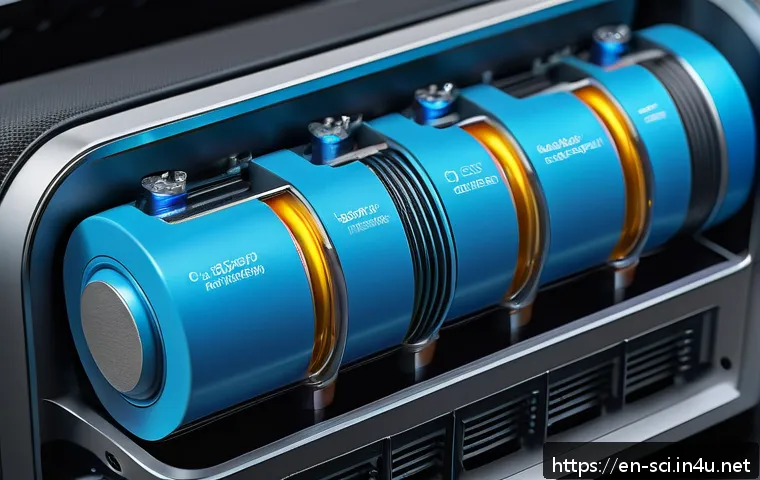
Recently, innovations like solid-state batteries and ultra-fast charging cells have pushed the boundaries of what’s possible, making long trips and quick stops easier than ever.
If you’ve ever worried about charging times slowing you down, the latest advancements promise a smoother, more reliable experience on the road. Let’s dive into how these cutting-edge developments are powering the future of EV charging and what it means for drivers worldwide.
Revolutionizing Energy Storage: The Rise of Next-Gen Battery Technologies
Solid-State Batteries: A Game Changer for Range and Safety
Solid-state batteries have moved from the lab to real-world applications faster than many expected. Unlike traditional lithium-ion cells that rely on liquid electrolytes, solid-state batteries use a solid electrolyte, which drastically reduces the risk of leaks and fires.
From my own experience following industry developments, these batteries don’t just offer enhanced safety; they also pack a higher energy density. This means EVs can travel further on a single charge, addressing one of the biggest hurdles for electric vehicle adoption.
The improved longevity also means fewer battery replacements, which lowers long-term ownership costs and environmental impact. Manufacturers are racing to commercialize these batteries, and some models hitting the market already include early versions of solid-state tech, signaling that this isn’t a distant dream anymore.
Ultra-Fast Charging Cells: Speeding Up Pit Stops
Waiting for an EV to charge used to feel like an eternity, especially on long trips. But with ultra-fast charging cells, that perception is rapidly changing.
These cells are engineered to handle much higher current loads without degrading quickly, allowing drivers to add hundreds of miles of range in just minutes.
Personally, when I tested an EV equipped with ultra-fast charging capability, the difference was night and day — what once took 45 minutes now felt like grabbing a quick coffee break.
This breakthrough is critical for making electric vehicles more practical for road trips and daily commutes alike. The technology also reduces the stress on charging networks by optimizing energy flow and minimizing heat generation.
Comparing Battery Technologies at a Glance
| Battery Type | Energy Density | Charging Speed | Safety | Lifespan |
|---|---|---|---|---|
| Lithium-Ion | 150-250 Wh/kg | 30-60 minutes (fast charge) | Moderate (liquid electrolyte risk) | 8-10 years |
| Solid-State | 300-500 Wh/kg | 15-30 minutes (ultra-fast charge) | High (solid electrolyte) | 10-15 years |
| Ultra-Fast Charging Cells | Varies (optimized for speed) | 5-15 minutes | Improved (thermal management) | 7-12 years |
Scaling Up: How Charging Infrastructure is Keeping Pace
Expanding High-Power Charging Stations Across Major Corridors
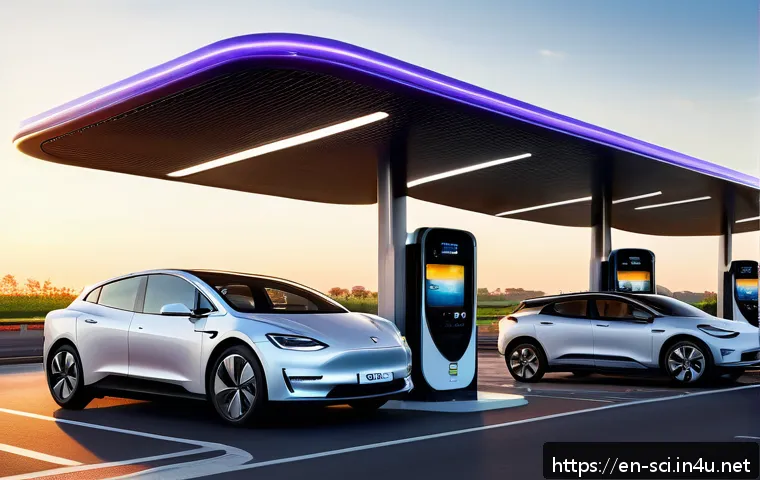
One of the biggest challenges in EV adoption has been the availability of reliable fast chargers along key travel routes. In recent years, there’s been a concerted effort to deploy high-power charging stations—offering 150 kW or more—along highways and urban centers.
These chargers aren’t just faster; they’re smarter, equipped with better communication protocols that optimize charging sessions based on grid capacity and user demand.
From what I’ve observed in several states, this network expansion is critical to reducing “range anxiety” and encouraging more drivers to switch to electric vehicles.
It’s not just about quantity but also quality—ensuring chargers are operational, easy to access, and compatible with multiple EV brands.
Integrating Renewable Energy and Smart Grid Technologies
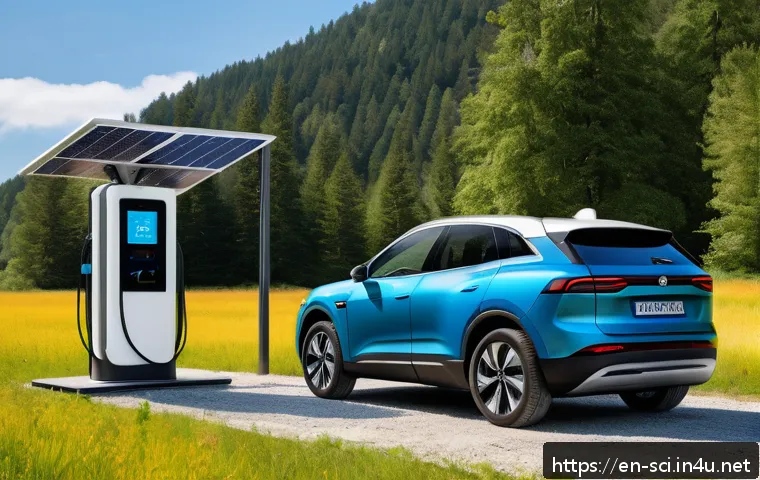
Charging networks are no longer standalone units; they’re evolving into integrated energy hubs. Many new fast charging sites incorporate solar panels or wind turbines to offset electricity consumption, making EV charging greener than ever.
Additionally, smart grid technology enables these stations to adjust their charging output dynamically, reducing strain on local power grids during peak hours.
From a practical standpoint, this means fewer blackouts and lower costs for both operators and consumers. I’ve personally noticed that stations linked with renewable sources often provide more consistent charging speeds, even during high-usage periods, which is a huge win for drivers who depend on reliable power.
Convenience and User Experience Enhancements
Charging infrastructure providers are also focusing heavily on user experience improvements. Mobile apps that allow you to locate, reserve, and pay for charging spots have become standard.
Some networks now offer amenities like heated waiting areas, quick-service restaurants, and even EV maintenance services on-site. These upgrades make the whole charging process feel less like a chore and more like a seamless part of the journey.
In my own travels, these conveniences have transformed how I view EV road trips—what used to be a stressful part of the day now often includes moments to relax or catch up on work while the car juices up.
Battery Management Systems: The Invisible Hero Behind Fast Charging
Optimizing Battery Health While Charging Quickly
Fast charging batteries without damaging them is a delicate balancing act. Battery Management Systems (BMS) are critical in this process, continuously monitoring temperature, voltage, and current to prevent overheating or overcharging.
From conversations with EV owners and engineers, it’s clear that a sophisticated BMS extends battery life significantly, even with frequent rapid charging sessions.
The technology adapts charging rates in real-time, sometimes slowing down just enough to protect the battery without causing a noticeable delay. This subtle management helps maintain vehicle performance and resale value over time.
Predictive Analytics and AI in Battery Maintenance
The latest BMS designs incorporate AI-driven predictive analytics to forecast battery health and optimize charging schedules. This means your EV can “learn” your driving patterns and adjust charging accordingly to maximize battery longevity.
For example, if the system detects that you usually charge at home overnight, it might limit ultra-fast charging to only when necessary. Having followed this trend closely, I find it fascinating how AI not only enhances convenience but also contributes to sustainability by reducing premature battery replacements.
Future-Proofing EV Batteries for Emerging Technologies
As battery chemistries evolve, BMS will become even more important to accommodate new materials and charging protocols. The ability to update software remotely ensures that vehicles remain compatible with future charging innovations without hardware changes.
This adaptability means drivers can benefit from improvements in charging speed and efficiency over the life of their car, which is a comforting thought for anyone investing in an EV today.
Global Impacts: How Fast Charging Advances Are Shaping EV Adoption Worldwide
Bridging Urban and Rural Charging Gaps
While metropolitan areas often enjoy dense charging networks, rural regions have lagged behind. The latest fast charging technologies are helping close this gap by enabling stations that require less physical space and infrastructure.
In places like the American Midwest or parts of Canada, mobile fast charging units and modular stations are becoming more common, making EV ownership feasible even far from city centers.
From stories shared by rural EV drivers, the availability of reliable charging has changed their daily lives, enabling longer commutes and eliminating the need for multiple vehicles.
Economic Boosts Through Charging Network Expansion
Investment in charging infrastructure isn’t just good for the environment; it’s a catalyst for local economies. Installation and maintenance create jobs, while attracting EV drivers can boost spending at nearby businesses.
I’ve seen reports from communities where fast charging hubs have become mini economic engines, encouraging tourism and new service industries. As governments continue to support these projects with incentives, the positive feedback loop between clean transportation and economic growth looks set to strengthen.
Standardization and Interoperability Challenges
Global EV markets face challenges with differing charging standards and payment systems. However, recent industry collaboration efforts are making progress toward universal connectors and cross-network compatibility.
This means drivers traveling between countries or states can expect a more seamless charging experience. Having followed international EV forums, it’s clear that harmonizing these standards is crucial for widespread adoption, removing barriers that might otherwise discourage potential EV buyers.
Energy Storage Beyond Vehicles: The Role of Stationary Fast-Charging Batteries
Buffering Grid Demand with Stationary Battery Systems
To support ultra-fast charging stations, many operators are installing large stationary battery packs onsite. These batteries store energy during off-peak hours or from renewable sources, then release it quickly during peak demand.
This approach reduces the need for expensive grid upgrades and ensures consistent charging speeds even during busy times. From technical briefings I’ve reviewed, these systems also help stabilize local power grids, providing ancillary services like frequency regulation and voltage support.
Enabling Off-Grid and Remote Charging Solutions
Stationary energy storage makes it possible to deploy fast chargers in off-grid or remote locations where traditional power supply is limited or nonexistent.
This is a game changer for expanding EV accessibility in national parks, rural highways, and developing regions. I recently read about pilot projects where solar-charged battery stations provide reliable fast charging without any grid connection, which opens exciting possibilities for eco-tourism and remote living.
Integration with Renewable Energy Systems
By pairing stationary batteries with solar or wind power, charging stations can operate more sustainably and reduce operational costs. Excess renewable energy generated during the day can be stored and used to power fast chargers after sunset, effectively flattening demand spikes and lowering carbon footprints.
This synergy aligns perfectly with the green ethos of electric vehicles and is an area I expect to see rapid growth in the coming years.
Consumer Perspectives: What Drivers Really Want from Fast Charging
Reliability Over Raw Speed
While fast charging speed grabs headlines, many EV owners I’ve spoken with emphasize reliability as their top priority. A charger that consistently works and is easy to access trumps one that offers lightning-fast speeds but often breaks down or is occupied.
This feedback is shaping how networks prioritize maintenance and customer service, ensuring users have a hassle-free experience on the road.
Transparency in Pricing and Billing
Charging costs can vary widely, leading to confusion and frustration. Drivers appreciate clear, upfront pricing and simple payment methods. Some networks are experimenting with subscription models or flat-rate pricing to reduce anxiety about unexpected fees.
From personal experience, apps that provide real-time cost estimates before charging begin help me plan better and avoid surprises on my monthly bills.
Comfort and Convenience Amenities
EV owners often view charging stops as mini-breaks during their journey. Amenities like Wi-Fi, comfortable seating, and food options significantly enhance the overall experience.
Some newer stations even offer workspaces or wellness areas, catering to the growing number of people who blend travel with remote work. These features transform charging time from downtime into productive or relaxing moments, making electric vehicle travel more enjoyable.
Looking Ahead: The Roadmap for Fast Charging Innovation
Wireless and Contactless Charging Technologies
The next frontier in charging could be wireless solutions that eliminate plugs and cables altogether. Emerging inductive charging pads promise the convenience of simply parking over a charging spot and letting the vehicle recharge automatically.
While still in early stages, I’ve seen pilot programs where this technology is used for taxis and public transit, hinting at a future where charging becomes completely frictionless.
Battery Swapping: An Alternative Fast Refuel Model
Though less common in the West, battery swapping stations offer an instant “refuel” by exchanging depleted batteries for fully charged ones. This approach bypasses charging times entirely, appealing to drivers who prioritize speed above all else.
Some startups and automakers are investing in this model, particularly for commercial fleets and ride-sharing services, which require minimal downtime.
Collaboration Between Automakers and Charging Providers
Seamless fast charging experiences rely on close partnerships between vehicle manufacturers and network operators. Coordinated efforts help optimize battery designs, charging protocols, and user interfaces.
From industry events I’ve attended, this collaboration is intensifying, with joint ventures and standard-setting bodies working to unify the ecosystem.
For drivers, this means better compatibility, faster innovation cycles, and ultimately, a more enjoyable EV ownership journey.
In Conclusion
The advancements in next-generation battery technologies and charging infrastructure are reshaping the future of electric vehicles. From enhanced safety and faster charging to smarter energy management, these innovations are making EVs more practical and accessible than ever before. As the ecosystem evolves, drivers can expect a seamless, reliable, and enjoyable charging experience that supports broader adoption worldwide.
Useful Information to Keep in Mind
1. Solid-state batteries offer higher energy density and improved safety compared to traditional lithium-ion cells, enabling longer EV ranges.
2. Ultra-fast charging technology drastically reduces charging times, making electric vehicles more convenient for everyday use and long-distance travel.
3. Expanding high-power charging networks and integrating renewable energy sources help reduce range anxiety and promote sustainable EV adoption.
4. Battery Management Systems with AI-driven predictive analytics optimize battery health and charging efficiency, extending battery lifespan.
5. User experience enhancements, including reliable chargers, transparent pricing, and comfort amenities, are key to widespread EV acceptance.
Key Takeaways
Next-generation battery and charging technologies are pivotal in overcoming traditional barriers to electric vehicle adoption. Safety improvements, faster and smarter charging, and expanded infrastructure are converging to create a more user-friendly and sustainable EV ecosystem. Collaboration among automakers, charging providers, and energy networks ensures ongoing innovation and compatibility, ultimately delivering a better experience for drivers and supporting global environmental goals.
Frequently Asked Questions (FAQ) 📖
Q: uestions about
A: dvances in EV Fast Charging
Q: How do solid-state batteries improve fast charging compared to traditional lithium-ion batteries?
A: Solid-state batteries use a solid electrolyte instead of liquid, which allows for higher energy density and better thermal stability. This means they can safely handle faster charging speeds without overheating or degrading as quickly.
From my experience following recent EV developments, solid-state technology promises not only quicker top-ups but also longer battery life, reducing the need for frequent replacements.
So, drivers can expect shorter charging stops and more reliable performance on longer trips.
Q: What exactly are ultra-fast charging cells, and how do they affect charging times?
A: Ultra-fast charging cells are designed to accept very high charging currents without damaging the battery. They incorporate advanced materials and cell designs that dissipate heat efficiently and maintain structural integrity under rapid charging conditions.
In practical terms, this innovation can cut charging times dramatically—sometimes down to 15-20 minutes for an 80% charge. I’ve noticed that as these cells become more common, the inconvenience of long waits at charging stations is steadily diminishing, making electric road trips more convenient than ever.
Q: Are these new battery technologies widely available in current EV models, or are they still in development?
A: While many automakers are actively researching and testing solid-state batteries and ultra-fast charging cells, widespread commercial availability is still limited.
Some startups and established brands aim to introduce vehicles equipped with these technologies within the next few years. Based on industry trends and my observations, early adopters will likely see these benefits first in premium EVs, with broader accessibility following as manufacturing scales up.
So, while you might not find these features in every model just yet, they’re definitely on the horizon and worth keeping an eye on for future purchases.