Hey there, fellow energy enthusiasts! Have you ever found yourself staring at your electricity bill, wishing there was a smarter, greener way to power your home and save some serious cash?

Well, buckle up, because the world of solar energy is booming, and I’m here to tell you, it’s more accessible and powerful than ever before! I’ve spent countless hours researching and even trying out some of the latest advancements, especially when it comes to those incredible high-efficiency solar panels that are truly changing the game.
It’s not just about being eco-friendly anymore; it’s about smart investments, energy independence, and harnessing a truly endless resource right from your own rooftop.
Curious to see how these cutting-edge panels can revolutionize your energy game? Let’s dive deep and uncover all the fantastic possibilities!
Unlocking Your Home’s Energy Potential with Cutting-Edge Panels
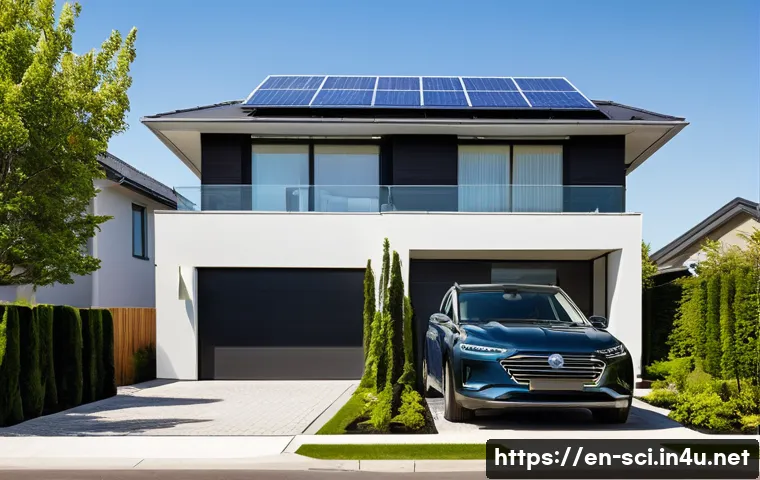
Okay, so let’s get real for a moment. When I first started looking into solar power for my own home, I thought it was all about just getting some panels on the roof and calling it a day. Boy, was I wrong! The landscape of solar energy has completely transformed, and what’s really blowing my mind are these high-efficiency solar panels. We’re not talking about your grandpa’s clunky, low-yield arrays anymore. These new panels are powerhouses, designed to squeeze every single photon of sunlight into usable electricity. I mean, it’s truly incredible to see how much more energy you can generate from the same rooftop space with these advancements. It’s like upgrading from an old flip phone to the latest smartphone – the difference in performance is just astounding. For anyone with limited roof space, or even those just wanting to maximize their energy independence, investing in these bad boys is an absolute no-brainer. I personally saw my potential energy offset jump significantly just by comparing the efficiency ratings of older models to the latest ones. It’s a complete game-changer when you realize how much more bang for your buck you’re truly getting.
The Game-Changing Power of High-Efficiency Cells
What makes these high-efficiency cells so special, you ask? Well, it’s all about the nitty-gritty science inside. Manufacturers have made incredible strides in reducing energy loss and capturing a broader spectrum of light. We’re talking about technologies like PERC (Passivated Emitter Rear Cell), heterojunction (HJT), and even advanced shingling techniques that literally fit more cells into the same area. This means that for every square foot of panel on your roof, you’re pulling in significantly more power. For instance, where older panels might hover around 15-17% efficiency, many modern high-efficiency panels are hitting 20-22% and beyond. That extra 5-7% might not sound like much on paper, but when you multiply it across dozens of panels over years of production, it adds up to some serious kilowatt-hours. I remember doing the calculations for my own roof, which isn’t huge, and realizing that with higher efficiency panels, I could easily power my entire home and then some, even on slightly cloudier days. It truly feels like magic, but it’s just brilliant engineering at its finest.
Why Every Watt Counts: Beyond Just Saving Money
While saving money on your electricity bill is obviously a huge perk – and let’s be honest, often the main driver – the benefits of high-efficiency solar go way beyond your wallet. For me, it’s about energy independence and reducing my carbon footprint as much as possible. Knowing that I’m generating clean power right from my own home, reducing reliance on fossil fuels, gives me a real sense of pride. Plus, with the increasing frequency of extreme weather events and grid instability we’ve seen lately, having a robust, high-output solar system provides an invaluable layer of security. Imagine the peace of mind knowing you’re less vulnerable to power outages and fluctuating energy prices. It’s about taking control of your energy future, not just passively consuming what the utility company provides. I’ve spoken with so many people who share this sentiment; it’s not just an investment in property value, but an investment in a more sustainable and secure lifestyle for our families and communities.
The Smart Investment: Why High-Efficiency Solar Truly Pays Off
Let’s talk brass tacks for a second because, at the end of the day, any significant home improvement project needs to make financial sense, right? And when it comes to solar, especially the high-efficiency kind, the numbers are looking exceptionally good. I’ve done the deep dives, crunched the figures, and personally seen the return on investment (ROI) in action, and honestly, it’s one of the smartest financial decisions I’ve ever made for my home. What many people don’t immediately grasp is that while the upfront cost for high-efficiency panels might be slightly more per panel than standard ones, the long-term savings and increased energy production more than compensate for it. You’re essentially buying a higher yield asset that will generate more free electricity for decades. Think of it like buying a more fuel-efficient car; you pay a bit more upfront, but your savings at the pump over the vehicle’s lifespan far outweigh that initial difference. Plus, with various incentives and tax credits still available, the initial hurdle is often much lower than you’d imagine, making solar an even sweeter deal.
Crunching the Numbers: Return on Investment You Can Feel
When you start to break down the ROI, it’s pretty compelling. Let’s say a standard panel might offer 350 watts, while a high-efficiency one provides 400 watts from a similar footprint. Over 25-30 years, that 50-watt difference per panel adds up to thousands upon thousands of kilowatt-hours. At an average electricity price of, say, $0.15 per kWh (which is only going to increase, let’s be real), that’s a substantial amount of money staying in your pocket instead of going to the utility company. I always advise people to look beyond just the sticker price and consider the total cost of ownership and, more importantly, the total energy produced. Many financial models show that solar systems can pay for themselves in as little as 5-10 years, depending on your local electricity rates, sunlight exposure, and available incentives. After that payback period, it’s essentially free electricity for the remaining 15-20 years (or more!) of your system’s life. It’s hard to find another home improvement that offers such a consistent, tangible financial return year after year, especially when you factor in property value increases.
Future-Proofing Your Energy Bill
One of the biggest anxieties for homeowners these days is the ever-rising cost of living, and electricity bills are a major component of that. Energy prices seem to only go in one direction: up! By installing a high-efficiency solar system, you’re essentially locking in your electricity costs for decades. You become your own power plant, immune to the whims of energy markets and geopolitical events. I’ve personally experienced the relief of seeing my utility bill drop to near zero, even during peak summer months when the air conditioning is blasting. It’s a feeling of financial freedom that’s hard to beat. Beyond that, the value of your home typically increases significantly with a solar installation. Studies in the US have consistently shown that homes with solar panels sell faster and for more money than comparable homes without them. This isn’t just about being green; it’s about adding a tangible asset to your property that commands a premium in today’s market, making it an excellent long-term investment that keeps paying dividends.
Navigating the Solar Landscape: What to Look For in a System
Alright, so you’re convinced high-efficiency solar is the way to go – fantastic! But now comes the part that can feel a bit overwhelming: actually choosing a system and an installer. Trust me, I’ve been there. The market is absolutely flooded with options, and it can feel like you need a Ph.D. in electrical engineering just to understand all the jargon. My advice? Don’t get bogged down in every single technical specification. Instead, focus on a few key indicators that genuinely matter for performance and longevity. It’s a bit like buying a car; you don’t need to know how every single engine component works, but you do want to know about fuel efficiency, reliability ratings, and warranty coverage. The same principle applies here. My personal journey involved a lot of research, talking to multiple professionals, and understanding what truly differentiates a good system from a great one. Don’t be afraid to ask questions, even if they seem basic. A good installer will take the time to explain everything in plain English.
Decoding Efficiency Ratings and Warranties
First up, efficiency ratings. As we discussed, higher is generally better, but understand that a small percentage point difference might not be worth a huge price jump. Look for panels in the 20% to 22%+ range for optimal performance. Beyond efficiency, pay very close attention to warranties. This is where you separate the wheat from the chaff. You’ll typically see two types: a product warranty (covering the panel itself against defects) and a performance warranty (guaranteeing a certain level of power output over time). Reputable manufacturers offer product warranties of 10-25 years and performance warranties that ensure panels will still produce at least 80-85% of their original capacity after 25-30 years. This long-term assurance is absolutely crucial because you want your investment protected for its entire lifespan. I personally prioritized panels with a solid 25-year product warranty because it signaled confidence from the manufacturer in their build quality and durability. Don’t compromise here; a strong warranty means peace of mind for decades.
Finding the Right Installer: A Personal Recommendation
Choosing an installer is perhaps even more critical than choosing the panels themselves. Even the best panels can underperform if installed incorrectly. My strongest recommendation here is to get multiple quotes, but don’t just go for the cheapest option. Look for a company with a strong local reputation, excellent customer reviews (check independent sites, not just their own testimonials), and a proven track record. Ask about their certifications, their experience with high-efficiency systems, and what kind of post-installation support they offer. Do they handle all the permitting? What’s their process for monitoring system performance? I personally went with an installer who had been in business for over 15 years in my area and had a dedicated customer service team. They walked me through every step, from the initial site assessment to the final grid connection, making the whole process surprisingly smooth. Remember, this is a long-term relationship, so choose wisely!
Real-World Impact: My Journey to Energy Freedom
I know it might sound a bit dramatic, but for me, going solar felt like stepping into a whole new realm of personal empowerment. Before taking the plunge, I was just like many of you, grumbling at ever-increasing utility bills and feeling pretty helpless about my energy consumption. But after a ton of research and finally getting my high-efficiency system installed, my perspective completely shifted. It’s not just about the numbers or the environmental benefits anymore; it’s a tangible feeling of control over my home’s energy future. I remember the first time I saw my meter actually spinning backward – exporting power *back* to the grid! – and a huge grin just spread across my face. It was one of those ‘aha!’ moments where all the planning and investment truly paid off. It’s truly a journey from being a passive consumer to an active participant in sustainable energy, and that’s a feeling everyone should experience.
From Skeptic to Solar Advocate: My Own Experience
I won’t lie, I started as a bit of a skeptic. I had heard the horror stories of installations gone wrong or systems not performing as advertised. But after diving deep into the technology and understanding how far high-efficiency panels have come, my doubts started to fade. My installation process, frankly, was surprisingly smooth. The crew was professional, efficient, and had my panels up and running in just a few days. Seeing the real-time monitoring on my app, showing exactly how much energy my roof was producing, was incredibly satisfying. I even got a kick out of comparing my output with my neighbors who had older systems – mine was consistently outperforming theirs, even on days with less direct sunlight, thanks to the efficiency of the panels. This direct, personal experience is what transformed me from someone just looking to save money into a genuine advocate for residential solar. I now talk about it to anyone who will listen because I genuinely believe it’s a pathway to a better future.
Unexpected Perks of Going Green
Beyond the obvious financial and environmental benefits, I’ve discovered some really cool, unexpected perks. For starters, my home’s comfort level has actually improved. Since my roof is covered with panels, it acts as an additional layer of insulation, keeping the house cooler in the summer and warmer in the winter. Who knew, right? My attic temperatures dropped noticeably! Another thing is the community aspect. I’ve connected with so many other solar homeowners in my area, sharing tips and celebrating our collective energy independence. There’s a real sense of camaraderie. And finally, the feeling of knowing I’m contributing positively to the planet, even in a small way, is incredibly rewarding. It’s not just an investment in my property; it’s an investment in a cleaner, more sustainable world for my kids and grandkids. That kind of intrinsic reward is something you just can’t put a price tag on.
Beyond the Panels: Maximizing Your Solar Savings
So, you’ve got your fantastic high-efficiency panels soaking up the sun, and your electricity bills are plummeting – brilliant! But guess what? The journey to ultimate energy independence and savings doesn’t always end there. To truly maximize your solar investment, especially with those amazing high-efficiency panels, you need to think about how you’re using and storing that precious, clean energy. It’s like having a top-of-the-line sports car but only driving it to the grocery store once a week; you’re not fully utilizing its potential. Modern solar systems integrate beautifully with other smart home technologies and energy storage solutions, allowing you to wring every last drop of benefit from your sunny investment. This holistic approach is where you really start to see the magic happen, turning your home into a truly resilient and efficient energy hub. I’ve spent countless hours diving into these integrations, and the results have been nothing short of transformative for my own energy management.
The Magic of Battery Storage: Storing Your Sunshine
This, my friends, is where things get really exciting. While net metering (selling excess power back to the grid) is great, battery storage takes your energy independence to a whole new level. Imagine this: your high-efficiency panels are generating abundant power during the day, more than your home needs. Instead of just sending it back to the grid for a credit, you can store that excess energy in a home battery system. Then, when the sun goes down, or during peak hours when electricity prices are highest, you can draw power directly from your battery instead of buying expensive electricity from the utility company. It’s like having your own personal energy bank! I installed a battery system a few years after my panels, and it completely changed my energy strategy. Not only do I have backup power during outages, but I’m also saving even more money by avoiding peak-rate charges. It truly feels like I’ve cut the cord from the grid’s unpredictable pricing, giving me unparalleled control and peace of mind.
Smart Home Integration for Ultimate Control
Another fantastic way to maximize your solar savings is by integrating your system with smart home technology. Think about it: your panels are generating power, but how efficiently are you *using* that power? Smart thermostats, smart lighting, and energy monitoring devices can help you optimize your consumption habits. For example, you can program your dishwasher or EV charger to run during the sunniest parts of the day when your panels are producing the most electricity, effectively running these appliances for free! Many solar monitoring apps now connect seamlessly with these smart devices, giving you a holistic view of your energy production and consumption in real-time. I love being able to check my phone and see exactly where my power is coming from and where it’s going. This level of insight allows you to make incredibly informed decisions about your energy usage, further reducing waste and boosting your overall savings. It truly feels like living in the future, today.
| Feature | Standard Solar Panels | High-Efficiency Solar Panels |
|---|---|---|
| Typical Efficiency Range | 15-18% | 20-23%+ |
| Power Output (per panel) | ~300-350 Watts | ~380-450+ Watts |
| Space Required for Output | More roof area for same power | Less roof area for same power |
| Cost Per Watt | Generally lower upfront | Slightly higher upfront |
| Long-Term Savings | Good, but less optimized | Excellent, maximized over time |
| Ideal For | Homes with ample roof space, budget-conscious | Limited roof space, maximizing production, faster ROI |
Common Hurdles and How to Leap Them with Confidence
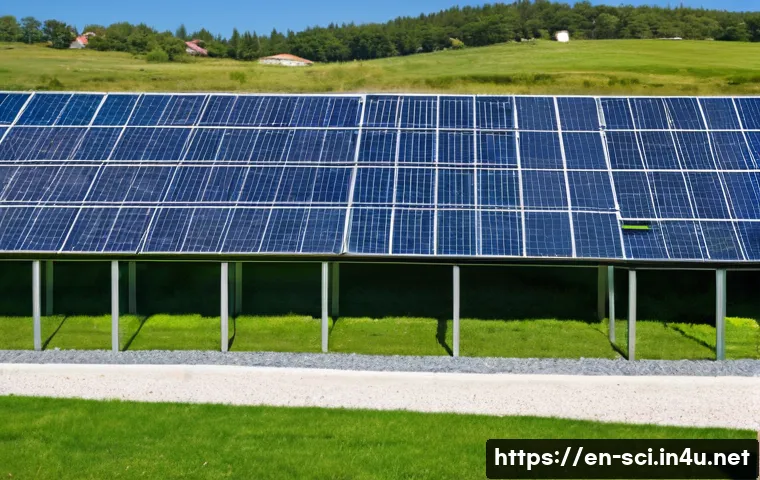
Okay, let’s be honest: embarking on a solar journey can feel a little daunting. There are permits to pull, regulations to navigate, and sometimes, simply a lot of unfamiliar territory. It’s completely normal to feel a bit overwhelmed when you’re looking at such a significant home improvement project. I certainly had my moments of head-scratching and wondering if I was making the right decisions. However, what I’ve learned through my own experience, and from talking to countless other solar homeowners, is that most of these “hurdles” are entirely manageable with a little bit of foresight and the right support. Don’t let the administrative side of things scare you off from making such a smart investment. The benefits far, far outweigh any temporary complexities. The key is to be informed and to partner with professionals who genuinely want to make the process as smooth as possible for you.
Understanding Permitting and Local Regulations
This is often the part that homeowners dread the most, and I totally get it. Local building codes, zoning laws, and utility company interconnection agreements can seem like a bureaucratic maze. The good news? A reputable solar installer should handle almost all of this for you. Seriously, this is a huge part of what you’re paying them for! They’ll know exactly what permits are required in your specific city or county, how to file the necessary paperwork, and how to navigate the utility company’s approval process. My advice here is to ask your potential installers about their experience with local permitting and how they manage it. Do they have a dedicated team for it? What’s their typical timeline? While I stayed informed about the progress of my permits, my installer handled all the heavy lifting, which was a massive relief. It saved me countless hours of stress and paperwork, and honestly, I probably would have messed something up myself! It’s an area where professional expertise is absolutely invaluable.
Maintenance Myths and Realities
One of the most common questions I get is, “What about maintenance? Are solar panels a huge hassle to keep clean?” And I’m thrilled to tell you, the reality is far less burdensome than the myths suggest! Modern high-efficiency solar panels are designed to be incredibly durable and low-maintenance. They’re built to withstand extreme weather, from heavy snow to strong winds. As for cleaning, regular rain often does a perfectly adequate job of washing away dust and grime. Unless you live in an exceptionally dusty area or under a tree that sheds a lot of debris, you likely won’t need to do much more than an occasional rinse with a hose, maybe once or twice a year. I’ve had my system for years, and beyond a few checks to ensure everything looks good, I’ve done minimal active maintenance. The monitoring system usually alerts me if there’s any significant dip in production, but those instances are incredibly rare. It’s truly a “set it and forget it” kind of investment for the most part, allowing you to enjoy the benefits without constant worry.
The Future is Bright: What’s Next in Solar Technology
If you thought today’s high-efficiency solar panels were impressive, just wait! The world of solar energy is a hotbed of innovation, with scientists and engineers constantly pushing the boundaries of what’s possible. It’s truly an exhilarating time to be a part of this energy revolution. I make it a point to stay updated on emerging technologies because it constantly reminds me that we’re only scratching the surface of solar’s potential. From new materials that promise even greater efficiency to radical new applications, the future of solar is not just bright – it’s dazzling! What really excites me is the pace of development. It seems like every few months, there’s a new breakthrough that could make solar even more accessible, more powerful, and more integrated into our daily lives. This isn’t just about incremental improvements; we’re talking about fundamental shifts that could redefine how we generate and consume energy globally.
Innovations on the Horizon: From Perovskites to Flexible Films
Get ready for some sci-fi sounding stuff that’s quickly becoming reality! One of the most exciting areas of research involves new materials like perovskites. These are compounds that have shown incredible promise in laboratory settings, reaching efficiencies that sometimes even surpass traditional silicon. The big hurdle right now is making them stable and durable enough for widespread commercial use, but the potential is massive. Imagine panels that are even lighter, cheaper, and potentially more efficient! Then there are flexible solar films, which are exactly what they sound like – thin, bendable solar cells that can be integrated into all sorts of surfaces, from building facades to even clothing. I’ve seen prototypes of solar shingles that seamlessly blend into your roof, looking just like traditional roofing materials but generating power. These innovations could make solar power virtually ubiquitous, turning every available surface into an energy generator. It’s truly mind-blowing to think about the possibilities, making solar almost invisible and infinitely adaptable.
Decentralized Grids and Community Solar: A Glimpse Ahead
Beyond individual home systems, the broader energy landscape is also evolving thanks to solar. We’re moving towards a more decentralized grid, where power isn’t just generated at huge, distant power plants but also right in our neighborhoods and homes. This makes the grid more resilient and efficient. Community solar projects are also gaining traction, allowing people who can’t install panels on their own roofs (maybe they rent, or their roof isn’t suitable) to still invest in and benefit from solar energy. They can subscribe to a share of a larger, local solar farm and receive credits on their electricity bill. This democratizes access to solar power, making it an option for everyone, regardless of their living situation. I firmly believe that these kinds of collective efforts, combined with individual home systems, will be key to a truly sustainable energy future. It’s about building a cleaner, more collaborative energy ecosystem for all of us.
Wrapping Things Up
Well, we’ve covered quite a bit, haven’t we? From the incredible leap in panel efficiency to the sheer joy of watching your meter spin backward, my hope is that you’ve found this journey into solar energy as inspiring as I have. It’s more than just an upgrade to your home; it’s a fundamental shift in how you interact with the world’s most abundant energy source. For me, embracing high-efficiency solar has been a truly empowering experience, offering not just financial peace of mind but a profound sense of contributing positively to our planet. I genuinely believe this isn’t just a trend; it’s the smart, sustainable future we’re all moving towards, one sunny rooftop at a time. So, if you’ve been on the fence, maybe it’s time to take that exciting first step!
Useful Information to Know
1. Always kick off your solar journey by researching local, state, and federal incentives like tax credits or rebates. These can significantly reduce your upfront costs and make high-efficiency panels even more accessible, so don’t leave money on the table! It’s worth digging into sites like the DSIRE database or your local energy authority’s website.
2. When you’re ready to get quotes, don’t just stop at one. Engage with at least three reputable local installers. Compare not only their pricing but also their proposed system designs, panel brands, warranties, and most importantly, their customer service and track record. A good installer is your partner for decades to come.
3. While the upfront cost of high-efficiency panels might be a tad higher, remember you’re investing in superior long-term performance and greater energy generation from a smaller footprint. This translates to faster payback and more savings over your system’s lifetime, making it a smarter choice for serious energy independence.
4. Think beyond just generation! Integrating a home battery storage system can revolutionize your solar experience. It allows you to store excess daytime energy for use at night or during power outages, drastically increasing your self-sufficiency and protecting you from rising peak electricity rates.
5. After installation, make the most of your solar monitoring app. Regularly checking your system’s performance isn’t just cool; it helps you understand your energy patterns, quickly identify any potential issues, and truly appreciate the power your home is generating. It’s your window into energy freedom!
Key Takeaways
At its core, investing in high-efficiency solar panels is about securing a brighter, more sustainable future for your home and family. It’s a powerful move towards financial independence, allowing you to lock in your energy costs and significantly reduce your reliance on traditional utilities. By choosing advanced technology and partnering with experienced professionals, you’re not just installing panels; you’re building a resilient, eco-friendly lifestyle that enhances your property value and contributes positively to the planet. It’s a journey worth taking, with rewards that truly last a lifetime.
Frequently Asked Questions (FAQ) 📖
Q: What exactly makes these new high-efficiency solar panels so much better than older models, and why should I care?
A: Oh, this is a question I get all the time, and for good reason! When we talk about “high-efficiency” panels in 2025, we’re really talking about a game-changer.
Historically, solar panels hovered around 15-18% efficiency, but today’s top-tier panels are easily hitting 22-25% and beyond. Some cutting-edge technologies, like perovskite-silicon tandem cells, are even pushing into the high 20s and low 30s in lab settings, which is mind-blowing!
The real magic is in how they convert sunlight into usable electricity. These advanced panels, often made with monocrystalline silicon and innovations like TOPCon or heterojunction (HJT) technology, can simply generate more power from the same amount of sunlight and from a smaller footprint.
Think about it – if your roof space is limited (and whose isn’t?), getting more bang for your buck from each panel means you can produce the same or even more energy with fewer panels.
That means less visual clutter on your roof, and often, lower installation costs because there are fewer panels to mount and wire. Plus, I’ve noticed personally that these newer panels tend to perform much better in less-than-ideal conditions, like cloudy days or even higher temperatures, which is a huge bonus if you don’t live in a perpetually sunny climate.
It’s all about maximizing your energy harvest and really optimizing every ray of sunshine that hits your home.
Q: High-efficiency sounds great, but won’t these panels cost me an arm and a leg? What’s the real return on investment?
A: I totally get this concern, believe me! The upfront cost is always one of the first things we think about when making a big home improvement. It’s true that high-efficiency panels might have a slightly higher price per watt than their standard counterparts—we’re talking perhaps 10-20% more.
However, and this is where it gets exciting, that initial premium often pays for itself much faster. Because these panels produce more electricity, you’ll see greater savings on your monthly utility bills almost immediately.
Over the typical 25-30 year lifespan of a solar system, those savings really compound. Many homeowners are seeing an average return on investment (ROI) from solar panels ranging from 10-15% annually, which is incredibly competitive, sometimes even outperforming traditional investments!
My own experience, and what I’ve seen with friends and family who’ve made the switch, is that the payback period can be as short as 6-12 years, especially when you factor in incentives.
Speaking of incentives, this is crucial: the federal solar investment tax credit (ITC) in the US is currently 30% of your total system cost. This is a dollar-for-dollar reduction on your federal tax bill, and it can significantly slash your out-of-pocket expenses!
Just a heads up, that residential solar tax credit is set to expire for customer-owned systems after December 31, 2025, so if you’re thinking about it, now’s the time to act to lock in those savings.
Many states and local utilities offer additional rebates or incentives too, making solar an even smarter financial move. It’s not just about reducing bills; it’s about making a really solid, long-term investment in your home’s value and your energy independence.
Q: So, once I decide to go solar, what’s the actual installation process like, and how much maintenance will these panels demand?
A: Great question! The installation process might sound intimidating, but honestly, for homeowners, it’s usually smoother than you’d think, as professionals handle the heavy lifting.
It typically starts with a detailed site assessment where experts check your roof’s condition, orientation, and sunlight exposure to design the perfect system for your home.
Then comes securing all the necessary permits—your installer usually takes care of this, which is a huge relief. Next, the crew will install the mounting racks on your roof, which act as the foundation for the panels.
Once those are secure, the high-efficiency panels are carefully positioned, wired up (connecting them to an inverter that converts the sun’s DC power into usable AC electricity for your home), and finally linked to your home’s electrical panel and the utility grid.
Most residential installations can be completed in just one to three days, depending on the system’s size and complexity. After a final inspection and getting permission to operate from your utility company, you’re officially generating your own clean power!
As for maintenance, that’s another beautiful thing about modern solar panels: they’re surprisingly low-maintenance! I mean, we’re talking minimal effort for decades of clean energy.
Most panels come with warranties guaranteeing at least 80% efficiency for 25-30 years, and they often last even longer. The main things are keeping them clean – rain usually does a pretty good job, but a gentle cleaning with deionized water every 1-2 years, especially in dusty areas or if you get a lot of bird droppings, can help maintain peak efficiency.
Beyond that, I always recommend a simple visual check a couple of times a year for any debris or potential shading from growing trees. Most modern systems also come with monitoring apps, so you can easily track your energy production and catch any issues early.
Professional servicing every 5-10 years is a good idea to ensure everything’s running perfectly, but honestly, they’re incredibly robust. It’s a set-it-and-forget-it kind of investment, which is just fantastic!