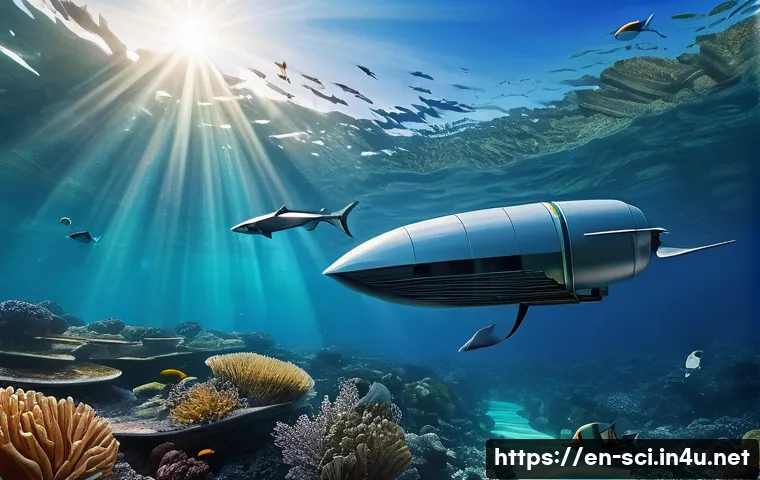
Hey there, amazing readers! I’ve been absolutely captivated lately by something truly incredible happening beneath the waves – the silent, powerful revolution of ocean energy and especially tidal power.
Honestly, it’s mind-boggling to think about the sheer, consistent force of our tides, moving day in and day out, precisely predictable for centuries to come.
Imagine harnessing that raw, natural rhythm to power our homes, offices, and even entire communities! For too long, we’ve relied heavily on intermittent sources, but the ocean offers a steady, reliable heartbeat for our energy future.
What’s really got me buzzing are the incredible breakthroughs happening right now, like those innovative floating platforms being tested in places like the UK and the cutting-edge turbine designs that are proving more efficient than ever before.
Companies and governments are pouring serious investment into this “blue energy” – from the massive Morlais project aiming to power 180,000 homes in Wales, to significant funding from the US Department of Energy – indicating a real shift in how we view renewable sources.
It’s not just a dream anymore; it’s rapidly becoming a tangible solution, promising predictable, low-carbon electricity that could stabilize our grids and reduce our reliance on fossil fuels.
While there are certainly challenges to navigate, like initial costs and ensuring marine life thrives alongside these innovations, the potential is simply too grand to ignore.
This isn’t just about electricity; it’s about a cleaner, more resilient future for us all. Let’s dive deep and explore this fascinating world together!
Unlocking the Ocean’s Rhythmic Power
Honestly, when I first started looking into ocean energy, I was utterly captivated by the sheer, unwavering consistency of tidal power. It’s not just a fleeting thought; it’s a profound realization that we have this incredible, predictable force right on our doorsteps, moving day in and day out with the precision of a Swiss watch. Unlike solar panels that go quiet when the sun sets, or wind turbines that stand still on calm days, the tides are always there, always moving, a constant heartbeat of energy that we can literally set our clocks by. It feels almost magical, doesn’t it? Knowing precisely when the energy will surge and recede allows for an unprecedented level of grid stability and planning that we just don’t get from other renewables. I’ve always been a fan of efficiency and reliability, and tidal power just screams both. It truly shifts the paradigm for what we consider a ‘renewable’ source, moving us beyond intermittent supply to a dependable flow.
The Unwavering Pulse of the Tides
Imagine having an energy source that you can predict centuries in advance. That’s the beauty of the tides. Driven by the gravitational pull of the moon and sun, their movement is a fundamental force of nature, utterly consistent. For us, this means that energy companies can forecast power generation with incredible accuracy, optimizing grid management and reducing the need for expensive, quick-start fossil fuel plants to fill unexpected gaps. This level of foresight is a game-changer for national energy strategies, offering a steady foundation that can complement other, more variable renewable sources. It’s like having a reliable bassline in the symphony of our energy mix, anchoring everything else with its solid rhythm.
Why Predictability is Key for Our Energy Future
From an everyday perspective, what does this predictability mean for you and me? Think about it: fewer brownouts, more stable electricity prices, and a drastically reduced reliance on those volatile global fossil fuel markets. When the energy supply is consistent, utility companies can operate more efficiently, passing those savings on to consumers. I’ve often worried about energy security, especially with global events causing prices to spike, but knowing that a significant portion of our power could come from such a stable, local source brings a genuine sense of relief. It’s not just about green energy; it’s about smart, secure, and economically sound energy. This consistent flow makes tidal power an invaluable asset in building a resilient and sustainable energy future for everyone.
The Ingenious Tech Making Waves Possible
It’s truly incredible to see how engineers and innovators are designing technology that not only harnesses the immense power of the ocean but also strives to coexist with marine life. For years, the vision of capturing tidal energy felt like something out of a sci-fi movie, but now, the breakthroughs are happening so rapidly it’s hard to keep up! From colossal barrages that span entire estuaries to innovative underwater turbines that spin silently with the currents, the diversity of approaches is simply mind-boggling. I remember reading about early designs that seemed clunky and perhaps a bit intrusive, but the evolution has been phenomenal. We’re now seeing sleek, modular designs that minimize environmental impact while maximizing energy capture. It really makes you appreciate the human ingenuity at play, turning a raw natural force into clean electricity. It’s not just about building big structures; it’s about smart, adaptive engineering that respects our planet.
Beneath the Surface: Turbine Innovations
The star of the show for many tidal stream projects is undoubtedly the underwater turbine. These aren’t your typical wind turbines; they’re designed to withstand the immense pressure and corrosive environment of the deep sea. What’s truly exciting are the advancements in low-speed, high-torque designs that can generate significant power even from slower currents, and critically, do so without harming marine life. Many of these modern turbines operate at speeds that allow fish and other creatures to safely navigate around them. I’ve seen some of the simulations, and the way they’ve optimized blade shapes and rotational speeds is just brilliant. Companies are even experimenting with entirely new concepts, like oscillating hydrofoils, which move like a fish’s tail to generate power. It feels like we’re constantly on the cusp of the next big breakthrough in making these underwater giants even more efficient and ecologically friendly.
Lagoons and Barrages: Different Approaches to Harnessing the Tide
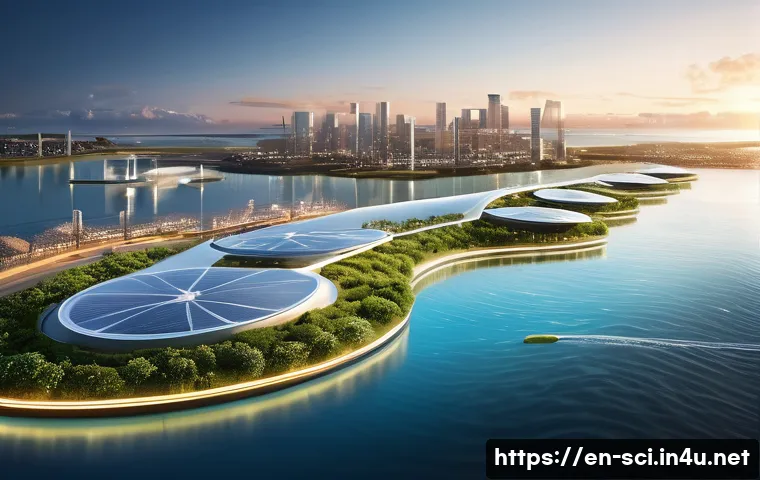
While turbines are grabbing a lot of headlines, older concepts like tidal barrages and newer ideas like tidal lagoons still hold immense potential. Tidal barrages, essentially dams built across estuaries, have been around for a while, famously exemplified by the Rance Tidal Power Station in France. They capture vast quantities of water at high tide and release it through turbines at low tide. Tidal lagoons, on the other hand, are like artificial lakes built in coastal areas, creating a reservoir that can also generate power from the ebb and flow. What’s really interesting is the conversation around multi-purpose lagoons – imagine these structures also offering coastal protection, recreational areas, or even aquaculture opportunities! Each approach has its unique engineering challenges and environmental considerations, but the ongoing research and development into optimizing their efficiency and minimizing their footprint is truly inspiring. It shows we’re not putting all our eggs in one basket, but exploring every possible avenue to tap into this abundant energy source.
From Concept to Reality: Major Projects Leading the Charge
It’s one thing to talk about the theoretical potential of tidal power, but what really gets my blood pumping is seeing these ambitious projects moving from blueprints to actual, tangible energy generation. Around the globe, incredible initiatives are proving that tidal energy isn’t just a dream, it’s a rapidly emerging reality. The scale and vision behind some of these developments are absolutely breathtaking, signaling a real commitment from governments and private investors alike. I’ve been following the progress with a sense of genuine excitement, often feeling a surge of pride in what human innovation is achieving. These aren’t small pilot projects anymore; we’re talking about developments poised to power entire cities and regions, fundamentally changing how we generate and consume electricity. It’s inspiring to think that the energy powering someone’s home in a few years might have started its journey deep beneath the waves, far from the familiar sights of power plants.
Wales’ Ambitious Tidal Plans and Beyond
One of the projects that has truly captured my imagination is the Morlais tidal energy project in Wales. It’s aiming to power an astonishing 180,000 homes, which is just incredible to think about! This isn’t just about putting a few turbines in the water; it’s about creating a whole new energy ecosystem. The Welsh coast, with its powerful tidal range, is absolutely perfect for this kind of innovation, and it’s exciting to see a nation embracing its natural advantages. Beyond Wales, Scotland is also a hotbed of tidal innovation, with several projects successfully generating power and feeding it into the grid. These are not just engineering marvels; they’re economic engines, creating skilled jobs and fostering local expertise. It really paints a picture of how entire regions can transform their energy landscape and secure a sustainable future, becoming leaders in this ‘blue energy’ revolution.
Global Momentum: A Surge of Investment
It’s not just the UK that’s making waves. We’re seeing significant investment and policy support for tidal energy globally. The US Department of Energy, for instance, has been pouring serious funding into research and development, recognizing the vast untapped potential along American coastlines. Over in Canada, the Bay of Fundy, with its legendary tidal range, is a natural laboratory for large-scale tidal projects, pushing the boundaries of what’s possible. Australia is also exploring its options, especially for remote coastal communities. This global interest is crucial because it fosters competition, drives down costs, and accelerates technological advancements. It tells me that this isn’t a niche idea anymore; it’s a serious contender in the race towards a fully renewable energy mix. The more countries that jump on board, the faster we’ll see tidal power become a mainstream energy source, benefiting us all.
| Tidal Energy Project Type | Description | Key Benefit | Example Location(s) |
|---|---|---|---|
| Tidal Barrage | Dam-like structure across an estuary, creating a reservoir. Generates power as water flows through turbines during tide changes. | Large-scale, reliable power generation. | Rance Tidal Power Station (France), Sihwa Lake Tidal Power Station (South Korea) |
| Tidal Stream Turbines | Submerged turbines placed in fast-flowing tidal currents, similar to underwater wind turbines. | Lower environmental impact than barrages, modular. | Morlais Project (Wales, UK), Orbital Marine Power (Scotland, UK) |
| Tidal Lagoons | Enclosed bodies of water built on the coast, generating power from water flowing in and out through sluice gates and turbines. | Potential for multi-purpose use (e.g., coastal protection, recreation). | Swansea Bay Tidal Lagoon (Proposed, UK) |
Navigating the Deep: Challenges and Solutions Ahead
While the potential of tidal energy is undeniably huge, it would be disingenuous to pretend there aren’t significant hurdles to overcome. Every groundbreaking technology faces its initial challenges, and tidal power is no exception. We’re talking about building robust infrastructure in some of the harshest environments on Earth – the ocean. The sheer scale of some projects, the initial investment required, and ensuring we do this without negatively impacting our precious marine ecosystems are all serious considerations. I’ve often thought about how complex it must be to even place these massive structures and maintain them in such a dynamic environment. However, what truly gives me hope is the dedicated research and innovative problem-solving happening worldwide. It’s not about ignoring these challenges; it’s about confronting them head-on with ingenuity and a commitment to sustainable development.
The Cost Factor: Investing in the Future
Let’s be real: building tidal energy infrastructure isn’t cheap, at least not initially. The upfront capital expenditure for massive barrages or even arrays of advanced tidal stream turbines can be substantial. This has been a sticking point for many years, with critics often citing the high cost per megawatt compared to more mature technologies. However, this perspective often overlooks the long-term benefits. Once built, the ‘fuel’ – the tides – is entirely free and inexhaustible. There are no fluctuating fuel prices to worry about, and the operational lifespan of these plants can be incredibly long, amortizing those initial costs over decades. Plus, with economies of scale kicking in as more projects come online and technological advancements continue, those costs are steadily coming down. Investing now is about securing a future where energy is not only clean but also economically stable. It’s an investment in a resilient energy portfolio.
Protecting Our Marine Friends: Environmental Considerations
One of the most critical aspects of developing ocean energy is ensuring it harmonizes with marine life. Nobody wants clean energy at the expense of our precious underwater ecosystems. Early concerns about large barrages altering sediment flows or potentially impacting fish migration routes were valid, and they’ve spurred a huge amount of research. The good news is that modern designs for tidal stream turbines are often “fish-friendly,” with slower rotational speeds and larger gaps between blades to allow marine life to pass through safely. There’s also intensive environmental monitoring taking place at existing sites, providing invaluable data that helps refine designs and siting strategies. The goal is to create systems that are virtually invisible to the ecosystem, becoming just another part of the underwater landscape, allowing both clean energy and thriving marine biodiversity to coexist. It’s a delicate balance, but one that researchers are committed to getting right.
The Economic Tide: What’s in it for Us?
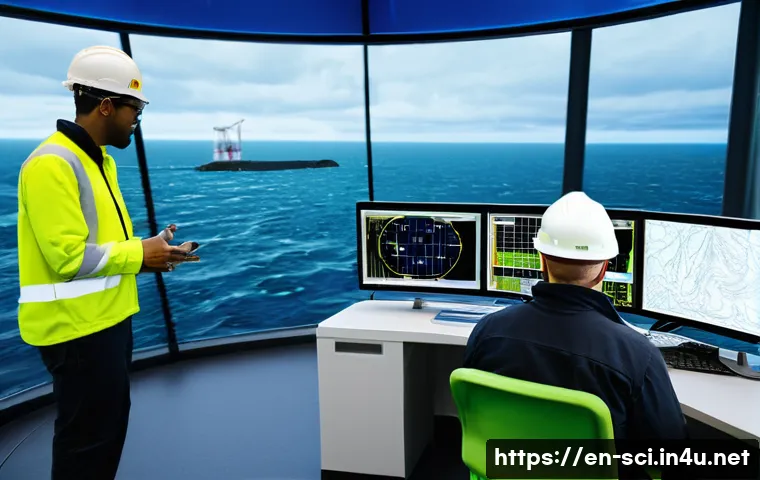
Beyond the undeniable environmental benefits, what really excites me about the surge in tidal energy is its profound economic potential. We’re not just talking about generating electricity; we’re talking about sparking entirely new industries, creating skilled jobs, and injecting vitality into coastal communities that might have seen better days. It’s a chance to diversify our economies, reduce our reliance on imported energy, and build a more resilient financial future for everyone. I’ve personally seen how new industries can revitalize regions, and I genuinely believe tidal power has the muscle to do just that. It’s about building something new, something sustainable, that provides lasting benefits far beyond the immediate energy output. It’s a tangible investment in local economies and a clear path to energy independence.
New Jobs on the Horizon
Imagine the array of jobs that a thriving tidal energy sector creates! We’re talking about engineers designing the next generation of turbines, marine biologists ensuring environmental compatibility, technicians building and installing underwater infrastructure, and highly skilled workers maintaining these complex systems for decades to come. These aren’t just temporary construction jobs; they are high-value, long-term careers that can offer fantastic opportunities for young people entering the workforce. Many of these roles will be in coastal areas, breathing new life into local economies and providing stable employment. It’s not just about green jobs; it’s about good jobs, jobs that contribute to a cleaner planet and provide a sustainable livelihood. This creates a real sense of purpose and opportunity, something I find incredibly inspiring.
Stabilizing the Energy Bill
One of the hidden superpowers of tidal energy is its potential to bring stability to our energy bills. How so? Because once the infrastructure is built, the “fuel” (the tides!) is free and won’t be impacted by geopolitical events or the fluctuating prices of fossil fuels. This means that a significant portion of our electricity could come from a source with very predictable and stable operating costs. Imagine not having to worry as much about global oil or gas prices driving up your monthly bill. This economic predictability is a huge win for households and businesses alike, allowing for better financial planning and reducing the stress associated with volatile energy markets. It makes our national energy infrastructure more robust and less vulnerable to external shocks, something I think we can all appreciate as a positive step forward.
A Greener Horizon: Our Sustainable Future with Blue Energy
Ultimately, when I think about tidal energy, I see a future that is not only cleaner but also more secure and resilient. It’s easy to get caught up in the technical details, but the big picture is truly transformative. This isn’t just another incremental step; it’s a monumental leap towards a world powered by the rhythmic, predictable forces of nature. The ocean’s energy is immense, constant, and utterly carbon-free, offering a genuine pathway to finally breaking our addiction to fossil fuels. I genuinely feel a sense of optimism when I delve into this topic, a hope that we are, little by little, building a legacy of clean energy for generations to come. It’s a future where our energy production doesn’t come at the cost of our planet’s health, but rather works in harmony with it.
Beyond Fossil Fuels, Towards a Carbon-Neutral World
The imperative to move beyond fossil fuels has never been clearer, and tidal energy offers a powerful, elegant solution. By harnessing the predictable power of the tides, we can significantly reduce our carbon emissions, directly combating climate change. Imagine cities and towns powered by the very ocean that defines their coastline, completely free from the environmental baggage of coal, oil, and gas. This isn’t just about reducing emissions; it’s about creating a truly carbon-neutral energy supply that doesn’t deplete finite resources or pollute our atmosphere. It feels like a fundamental shift, moving from an extractive relationship with the Earth to one of sustainable partnership. The more we lean into these natural, renewable sources, the closer we get to a breathable, healthier planet for everyone.
Building a Resilient Energy Grid
One of the less talked about but equally important benefits of tidal power is its contribution to a resilient energy grid. Because of its predictable nature, tidal energy can provide a stable “baseload” power, meaning it can consistently supply a foundational amount of electricity, day in and day out. This predictability perfectly complements other renewables like solar and wind, which are fantastic but inherently intermittent. By integrating tidal power, we can create a much more robust, balanced, and stable grid that is less susceptible to fluctuations and outages. This kind of energy security is invaluable, ensuring that homes, hospitals, and businesses always have the power they need, regardless of weather conditions. It’s about building an energy system that is not only clean but also utterly dependable, providing peace of mind and foundational support for our modern lives.
글을 마치며
As we wrap up our deep dive into the fascinating world of tidal energy, I hope you feel as energized and optimistic as I do about its potential. It’s truly a remarkable testament to human ingenuity that we’re learning to harness the raw, consistent power of the ocean, moving beyond fossil fuels towards a future that’s cleaner, more stable, and incredibly exciting. The journey ahead will undoubtedly have its challenges, but with the dedication of innovators and the growing global commitment, I firmly believe that the rhythmic pulse of the tides will play an increasingly vital role in powering our world. It’s not just about electricity; it’s about building a more resilient and harmonious relationship with our planet for generations to come.
알아두면 쓸모 있는 정보
1. Tidal energy stands out for its incredible predictability. Unlike solar or wind, the ebb and flow of tides are governed by celestial mechanics, meaning we can forecast power generation centuries in advance. This makes it an invaluable asset for grid stability and energy planning.
2. Water’s density is a game-changer for tidal power. Because water is approximately 830 times denser than air, even slow-moving tidal currents can generate significantly more power with smaller turbines compared to their wind counterparts.
3. There are several main types of tidal energy technologies, each with its unique approach: tidal barrages, which are like dams across estuaries; tidal stream turbines, operating like underwater wind turbines in strong currents; and tidal lagoons, which are enclosed coastal reservoirs.
4. While the initial investment for tidal projects can be high, the long-term operational costs are remarkably low, as the “fuel” (the tides!) is free and inexhaustible. This leads to stable and predictable energy prices over decades.
5. Environmental considerations are paramount in tidal energy development. Modern designs and extensive monitoring aim to minimize impact on marine ecosystems, with innovations like “fish-friendly” turbines and careful site selection.
중요 사항 정리
Tidal energy offers a reliable, predictable, and clean source of renewable power, crucial for a sustainable future. It boasts significant economic benefits, including job creation and energy price stability, and complements other intermittent renewables for a resilient grid. While facing challenges like initial costs and environmental integration, ongoing innovation is steadily overcoming these hurdles. The global momentum behind tidal projects signals its growing importance in our transition to a carbon-neutral world, proving that the ocean’s rhythmic power is truly an untapped treasure.
Frequently Asked Questions (FAQ) 📖
Q: What exactly is tidal power, and why is everyone so excited about it compared to other renewable energy sources?
A: As someone who’s constantly digging into sustainable tech, I find tidal power absolutely fascinating because it’s so elegantly simple at its core. It basically harnesses the incredible, consistent movement of ocean tides, which are created by the gravitational dance between the Earth, moon, and sun.
Unlike solar, which needs sunshine, or wind, which needs a breeze, tides are relentlessly predictable. We’re talking about cycles that engineers can forecast hundreds of years in advance!
Imagine plugging into a power source that literally tells you when it’s going to generate electricity decades in advance! This unparalleled predictability is a huge game-changer for stabilizing our energy grids and reducing our reliance on less consistent sources.
Plus, water is so much denser than air, meaning even at lower speeds, tidal turbines can generate a surprising amount of power. It’s a truly reliable, low-carbon heartbeat for our energy future.
Q: So, where is this actually happening?
A: re there real projects proving tidal energy isn’t just a pipe dream? A2: Oh, absolutely! This isn’t just theoretical; it’s happening right now, and it’s exhilarating to watch.
I’ve been following the Morlais project in Wales, which is set to be Europe’s largest consented tidal energy project, aiming to power up to 180,000 homes.
They’re literally building the “plug and play” infrastructure for various tidal energy devices, which is genius for accelerating development. Over in Scotland, we’ve already seen the world’s first tidal arrays in action, like the MeyGen project in the Pentland Firth and Nova Innovation’s turbines in Bluemull Sound, continuously generating clean electricity.
And it’s not just the UK! The U.S. Department of Energy recently announced significant funding – $15.5 million in awards – to advance tidal and river current energy, moving towards developing pilot sites that can transition to commercial projects.
It really feels like we’re on the cusp of something huge, with real-world installations proving the immense potential of this blue energy.
Q: Every new technology has its bumps in the road. What are the main challenges or concerns we need to address with tidal power?
A: You’ve hit on a really important point, because no energy source is a silver bullet, right? From what I’ve seen, the initial setup costs for tidal projects can be quite hefty.
Building robust structures that can withstand the incredibly powerful and corrosive marine environment is a significant investment. It’s definitely more expensive upfront than some other renewables, which can be a barrier for new projects.
And then there’s the big one: making sure our precious marine life isn’t just surviving, but thriving right alongside these amazing innovations. Concerns about potential impacts on fish migration, marine mammal navigation, and changes to local ecosystems are valid.
However, what’s really encouraging are the innovative solutions emerging, like new turbine designs with slower-moving blades, advanced wildlife detection systems that can temporarily pause operations, and even studies suggesting that some tidal installations can create new habitats or improve water quality.
It’s a delicate balance, but one I truly believe we can master with smart engineering and thoughtful environmental planning.