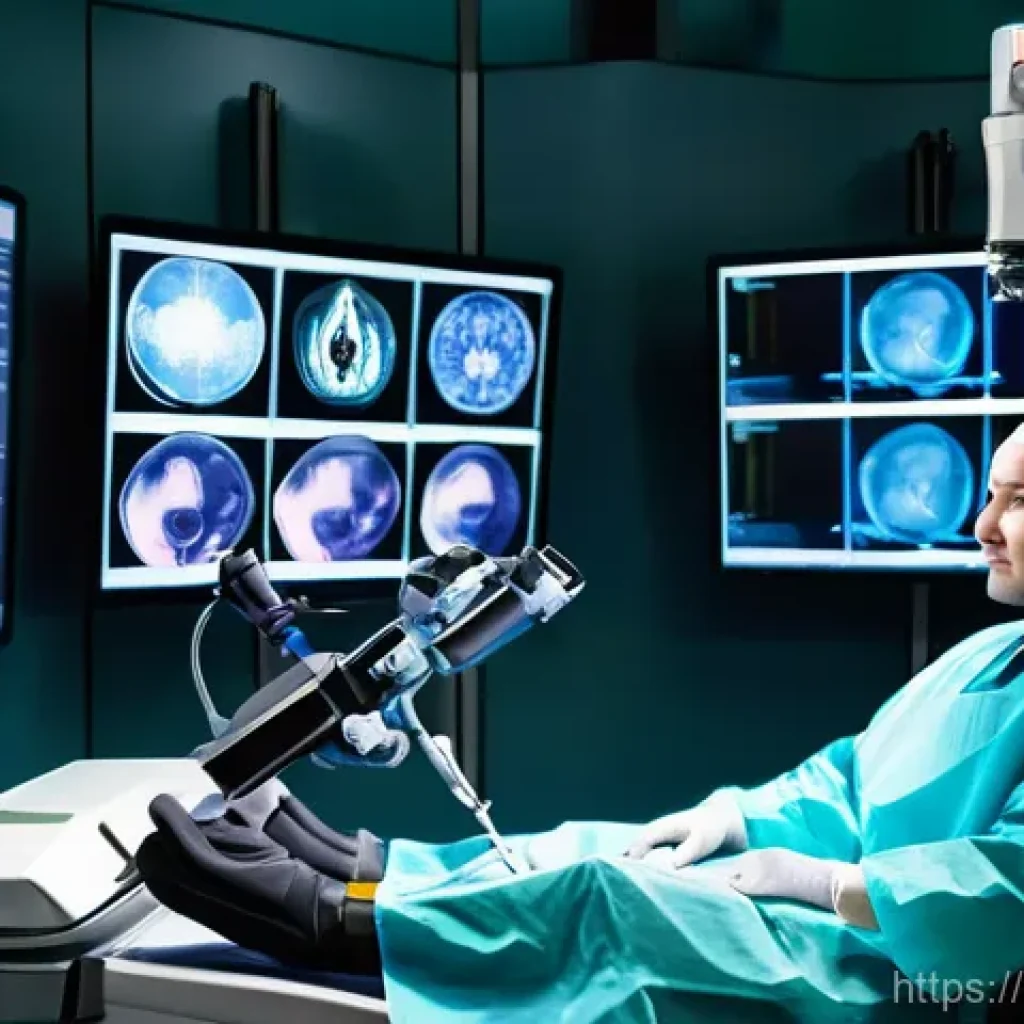
Have you ever found yourself wondering what the future of medicine truly looks like? I know I have! It feels like just yesterday we were watching sci-fi movies envisioning advanced surgeries and tailored treatments, and now, those visions are quickly becoming our reality.
It’s exhilarating to witness how rapidly healthcare is evolving, especially with breakthroughs in areas like robotic surgery and precision medicine. Honestly, when I first started digging into this, I was amazed by how much these technologies are already changing lives for the better, making procedures less invasive and recovery times remarkably quicker for countless patients.
What’s even more incredible is how these innovations are moving us past the old “one-size-fits-all” approach to a truly personalized experience. Think about it: instead of generic treatments, we’re now talking about therapies specifically designed for *you*, based on your unique genetic makeup and lifestyle.
This isn’t just theory; I’ve personally seen and heard inspiring stories about how precision medicine is tackling everything from chronic diseases to complex cancers, offering hope and more effective solutions.
With artificial intelligence playing a bigger role than ever, helping doctors make smarter decisions and discover new treatments, the potential feels limitless.
It’s a genuinely exciting time to be alive, and I truly believe we’re on the cusp of an era where healthcare is more precise, proactive, and deeply personal than we ever imagined.
Let’s delve into the fascinating details of how these incredible advancements are shaping our health and future!
Beyond the Scalpel: The Era of Minimally Invasive Miracles

When I first heard about robotic surgery, I’ll be honest, my mind immediately jumped to futuristic scenes straight out of a movie. But having seen firsthand, or at least heard countless inspiring stories, about how these incredible machines are changing surgical procedures, it’s truly astounding.
We’re talking about operations that are now far less invasive, which means smaller incisions, less pain, and remarkably quicker recovery times. It’s a complete game-changer, moving us away from the traditional, often daunting, open surgery approach.
I remember a friend telling me about her father’s prostatectomy; instead of a lengthy hospital stay and a tough recovery, he was back on his feet and feeling more like himself in a fraction of the time thanks to a robotic-assisted procedure.
That personal account really drove home for me just how impactful this technology is. It’s not just about cutting-edge tech for its own sake; it’s about tangible improvements in patient experience and outcomes, giving people back their quality of life much faster.
The precision these robotic arms offer is something human hands, no matter how skilled, simply can’t always replicate consistently. It’s like having a superpower in the operating room, allowing surgeons to perform complex maneuvers with unparalleled accuracy.
The Delicate Dance of Robotic Assistants
Imagine a surgeon, seated comfortably at a console, their hands expertly guiding tiny, articulated instruments that are performing the actual surgery inside a patient’s body.
This isn’t science fiction; it’s the reality of robotic-assisted surgery. These systems don’t operate autonomously; they’re extensions of the surgeon’s skill, enhancing their capabilities with incredible dexterity, magnified 3D vision, and tremor reduction.
What truly amazes me is the level of detail and control this provides. Surgeons can reach areas that would be incredibly difficult, if not impossible, with traditional methods, all while making minimal impact on surrounding tissues.
I’ve heard doctors speak about how these tools give them an almost artistic level of control, allowing them to perform intricate dissections and sutures with a finesse that translates directly into better patient outcomes.
It’s a testament to human ingenuity collaborating with advanced engineering to push the boundaries of what’s medically possible, and it’s genuinely thrilling to think about how many lives are being improved because of this delicate, yet powerful, dance between human expertise and robotic precision.
Faster Recovery, Better Lives
One of the most profound benefits of these minimally invasive techniques, in my opinion, is the impact on recovery. Who wouldn’t want to get back to their normal life sooner after surgery?
Patients undergoing robotic procedures often experience significantly less pain post-operation, require fewer pain medications, and can often leave the hospital much earlier than those who’ve had open surgery.
I’ve always thought about how much harder it must be for families when a loved one has an extended recovery period, both emotionally and practically. With robotic surgery, that burden is often lightened.
People are getting back to their jobs, hobbies, and spending time with their families faster, which is invaluable. It’s not just about physical recovery; it’s about the psychological boost of feeling better sooner, reducing the stress and anxiety often associated with major medical interventions.
This faster bounce-back truly translates into a better quality of life for so many, and it’s a powerful reminder that sometimes, the smallest incisions can lead to the biggest improvements.
Your DNA, Your Treatment: Tailoring Healthcare Just for You
Have you ever felt like healthcare was a bit of a guessing game, a one-size-fits-all approach that sometimes just didn’t quite fit *you*? I certainly have!
That’s why the advancements in precision medicine are so incredibly exciting to me. We’re talking about treatments and preventions that are truly customized, taking into account an individual’s variability in genes, environment, and lifestyle.
It’s like moving from a generic off-the-rack suit to a perfectly tailored one, designed specifically for your unique make-up. When I learned about how deeply our genetics influence our response to medications or our susceptibility to certain diseases, it blew my mind.
It makes so much sense, doesn’t it, that what works brilliantly for one person might be less effective or even harmful for another? Precision medicine is about ending that guesswork, using our own biological data to make smarter, more effective healthcare decisions.
This isn’t just futuristic talk; it’s already making a real difference in areas like cancer treatment, where doctors can now target specific genetic mutations in tumors, leading to more effective therapies with fewer side effects.
It’s truly a personalized revolution in healthcare.
Unlocking Genetic Blueprints for Better Health
Our DNA is essentially our body’s instruction manual, a unique blueprint that makes each of us who we are. For the longest time, we only had a rough idea of how to interpret this manual.
But now, thanks to incredible leaps in genomic sequencing and bioinformatics, we can “read” these blueprints with astonishing detail. This means understanding individual predispositions to certain conditions, how our bodies might metabolize specific drugs, or even identifying genetic markers that indicate a higher risk for serious illnesses.
I find it fascinating to think that a simple saliva sample or blood test can unlock so much personalized information. This knowledge isn’t just for understanding disease; it’s also for optimizing our health.
Imagine knowing which diet is truly best for your metabolism based on your genes, or which exercise regimen will yield the best results for your body type.
It’s about taking proactive steps for wellness based on incredibly precise data, allowing us to make informed choices that are truly aligned with our unique biology.
Targeted Therapies: A New Hope
Perhaps one of the most transformative aspects of precision medicine is the development of targeted therapies, especially in the realm of oncology. I’ve seen enough stories, and perhaps you have too, of patients struggling with harsh chemotherapy treatments that damage healthy cells along with cancerous ones.
Targeted therapies aim to change that narrative entirely. By identifying the specific genetic mutations or protein expressions that are driving a cancer’s growth, scientists can develop drugs that specifically attack *those* abnormalities, leaving healthy cells relatively untouched.
This often means less severe side effects, improved quality of life during treatment, and, crucially, better outcomes. It’s truly a beacon of hope for so many battling cancer.
It moves us away from broad-spectrum attacks to highly focused, strategic interventions. I personally know someone who, after years of unsuccessful conventional treatments for a rare form of lung cancer, found renewed hope and significant improvement through a targeted therapy identified by genetic testing.
These kinds of breakthroughs really underscore the profound potential of tailoring medicine to the individual.
AI in the Operating Room: Smart Tools, Smarter Outcomes
Artificial Intelligence might sound like something out of a futuristic movie, but trust me, it’s already making incredible strides in our hospitals and, more specifically, in the operating room.
When I first heard about AI assisting surgeons, I admit I was a little skeptical. Would robots take over? But what I’ve learned is that AI isn’t replacing human expertise; it’s augmenting it, making it even better.
Think of AI as an incredibly intelligent co-pilot, providing surgeons with insights and precision that were unimaginable just a few years ago. From helping to plan complex procedures with intricate 3D models of a patient’s anatomy to providing real-time guidance during surgery, AI is making operations safer, more efficient, and ultimately, leading to smarter outcomes for patients.
It’s about giving our highly skilled medical professionals even more powerful tools to work with, allowing them to focus their immense talent where it matters most: on the patient.
I’m genuinely excited to see how this partnership between human and machine will continue to evolve and reshape the future of surgical care.
Precision Navigation with AI Vision
One of the areas where AI truly shines in surgery is in enhancing precision navigation. Imagine a surgeon operating with an incredibly detailed, real-time map of the patient’s internal anatomy, constantly updated and highlighted by AI.
This isn’t just about seeing better; it’s about understanding the nuances of tissue, identifying critical structures like nerves and blood vessels with heightened accuracy, and even predicting potential complications before they arise.
AI-powered imaging and vision systems can process vast amounts of data, identifying patterns that might be subtle or even invisible to the human eye. This allows surgeons to operate with an unparalleled level of confidence and control, reducing the risk of error and improving the overall success rate of complex procedures.
It’s like having a super-powered GPS for the human body, guiding the surgeon through every delicate maneuver. This enhanced guidance is a game-changer, especially for procedures that require extreme accuracy, and it makes me feel so much more reassured about the future of surgical interventions.
Learning from Every Operation
What I find truly revolutionary about AI in the operating room is its capacity for continuous learning. Every surgery performed with AI assistance generates data – mountains of it.
This data, anonymized and analyzed, can then be used to refine AI algorithms, identify best practices, and even pinpoint areas where surgical techniques could be improved.
It’s like having an impartial observer who learns from every single case, constantly optimizing for better outcomes. This isn’t just theoretical; I’ve read about studies where AI has analyzed thousands of surgical videos to identify the most effective and safest approaches to specific procedures.
This collective intelligence means that future patients benefit from the combined experience of countless past operations, filtered and optimized by AI.
It creates a feedback loop that drives continuous improvement in surgical care, ensuring that techniques are constantly evolving and becoming more effective.
It’s a truly powerful way to elevate the standard of care for everyone.
From Lab Bench to Bedside: Accelerating Drug Discovery
The journey of a new drug, from its initial concept in a lab to actually reaching a patient, has historically been a painstakingly long and expensive process.
Think years, sometimes even decades, and billions of dollars. But honestly, watching how quickly things are changing with new technologies, especially AI, has been truly inspiring.
We’re finally seeing innovations that are seriously speeding up this crucial pipeline. It’s like someone finally found a fast-forward button for scientific research, allowing us to find new treatments and cures much more efficiently.
This isn’t just about making pharmaceutical companies more profitable; it’s about getting life-saving and life-improving medications into the hands of patients who desperately need them, faster than ever before.
It means less waiting, less suffering, and more hope for people worldwide. I’m genuinely thrilled by the potential this holds for tackling diseases that have long baffled us and bringing innovative solutions to the bedside much sooner.
AI’s Role in Unearthing New Cures
So, how is AI actually doing this? Well, imagine the sheer volume of scientific literature, chemical compounds, and biological data out there – it’s literally too much for any human to sift through effectively.
This is where AI swoops in like a superhero. AI algorithms can rapidly analyze vast databases, identifying patterns, predicting molecular interactions, and even designing novel compounds that could become new drugs.
It’s like having a super-intelligent research assistant who can read and process information at light speed, uncovering promising avenues for drug development that human researchers might miss.
I’ve been fascinated by stories of AI identifying existing drugs that could be repurposed for new conditions, or even designing completely new molecules from scratch that show incredible promise.
This incredible capability drastically cuts down on the trial-and-error often associated with early-stage drug discovery, allowing researchers to focus on the most promising candidates right from the start.
Personalized Drug Responses
Beyond just finding new drugs, AI is also revolutionizing how we understand individual responses to existing medications. We’ve all heard stories of someone reacting differently to a drug than expected, right?
Some might find it incredibly effective, others might experience severe side effects, and for some, it might just not work at all. This is where personalized drug responses come into play.
By analyzing a patient’s genetic profile, lifestyle factors, and even their microbiome, AI can predict with much greater accuracy how an individual might react to a particular medication.
This means doctors can prescribe the right drug, at the right dose, for the right person, right from the start. It minimizes wasted time and resources on ineffective treatments and, more importantly, reduces the risk of adverse drug reactions.
I personally believe this is a huge step towards making medicine truly precise and patient-centered, ensuring that everyone receives the most effective and safest treatment plan tailored just for them.
| Aspect | Traditional Approach | Precision Medicine / AI Integration |
|---|---|---|
| Drug Discovery Timeframe | Typically 10-15 years | Potentially reduced by 30-50% with AI |
| Treatment Approach | “One-size-fits-all” or empirical | Personalized, based on genetics & biomarkers |
| Surgical Invasiveness | Often open surgery, larger incisions | Minimally invasive robotic surgery |
| Recovery Time | Longer hospital stays, extended recovery | Shorter hospital stays, faster return to activity |
| Side Effects | Generalized, often severe | Reduced, targeted therapies minimize impact on healthy cells |
| Cost (per patient) | Variable, often high for chronic care | Potentially higher initial testing, but better long-term outcomes and reduced ineffective treatment costs |
Empowering Patients: Taking Control of Your Health Journey

Honestly, for the longest time, I felt like healthcare was something that *happened* to me, rather than something I actively participated in. Doctors told me what to do, and I’d follow instructions.
But now, with the incredible advancements we’re seeing, patients are truly being empowered to take a more active role in their own health journeys. It’s exhilarating!
From sophisticated wearable devices that track our vitals 24/7 to intuitive digital platforms that connect us directly with our care teams, the power is truly shifting.
This isn’t just about having more information; it’s about having actionable insights and tools that allow us to monitor our health, prevent issues, and engage in our care in ways that were previously unimaginable.
I’ve personally started using a fitness tracker that goes beyond just steps, giving me insights into my sleep patterns and stress levels, and it’s made a huge difference in how I understand my body.
This shift means less reliance on episodic visits to the doctor and more continuous, proactive self-management. It feels like we’re moving towards a future where everyone has a more complete and intimate understanding of their own well-being.
Wearable Tech: Your Health’s New Best Friend
Remember when wearables were just glorified pedometers? Oh, how far we’ve come! Today’s wearable technology is nothing short of incredible, transforming tiny gadgets into powerful health monitoring systems.
We’re talking smartwatches that can perform ECGs, rings that track sleep cycles with remarkable accuracy, and patches that continuously monitor glucose levels.
What I find truly amazing is how seamlessly these devices integrate into our daily lives, collecting vital health data without us even thinking about it.
This constant stream of information can then be shared with our healthcare providers, giving them a much clearer, holistic picture of our health trends, not just snapshots from occasional appointments.
I recently heard about someone whose smartwatch detected an irregular heartbeat, prompting them to see a doctor who then diagnosed an early-stage cardiac issue.
That’s real-life impact, directly attributable to accessible technology. It’s like having a personal health guardian on your wrist, constantly looking out for you, and helping you stay on top of your well-being.
Digital Health Platforms: Accessing Care Anywhere
The days of only being able to access healthcare through a physical visit to a clinic are rapidly becoming a thing of the past, and thank goodness for that!
Digital health platforms are truly revolutionizing how we connect with medical professionals and manage our health information. From secure patient portals that let you review test results and communicate with your doctor, to telemedicine apps that allow for virtual consultations from the comfort of your home or even while traveling, convenience is now a cornerstone of care.
I’ve personally found telemedicine incredibly useful for quick follow-up appointments or when I just need a prescription refill, saving me valuable time and hassle.
These platforms aren’t just about convenience; they’re about democratizing access to care, especially for those in remote areas or with mobility challenges.
It means that high-quality medical advice and support are more accessible than ever, breaking down geographical barriers and ensuring that more people can receive the care they need, when they need it.
It’s a huge leap forward in making healthcare truly patient-centric and accessible.
The Digital Doctor: Telemedicine and Remote Monitoring Reimagined
It’s honestly hard to believe how much telemedicine has evolved in just a few short years. What once felt like a niche service is now becoming a cornerstone of modern healthcare, and I am absolutely here for it!
The idea that you can connect with a doctor, get advice, or even have a consultation without stepping foot outside your home would have seemed radical not too long ago.
But now, it’s a reality that’s not only incredibly convenient but also proving to be remarkably effective. It’s fundamentally reimagining the doctor-patient relationship, making it more flexible and often, more proactive.
I personally remember a time when even a simple question for my doctor meant taking time off work, driving to the clinic, and waiting. Now, a quick video call can often resolve things, which is just brilliant for fitting healthcare into our busy lives.
This isn’t just about convenience though; it’s about making healthcare more continuous and responsive, ensuring that help is always just a few clicks away.
Virtual Consults: Convenience Meets Quality
Let’s be real, balancing life’s demands with healthcare appointments can be a juggling act. That’s why virtual consults have become such a game-changer.
Imagine having a face-to-face discussion with your doctor via a secure video link, right from your living room, or even your office during a lunch break.
It’s not just about convenience for minor ailments; specialists are now conducting complex follow-ups, mental health sessions, and even some diagnostic assessments remotely.
What truly impresses me is the quality of care that can still be delivered. Doctors can still observe symptoms, ask detailed questions, and provide thoughtful advice.
I’ve found that these virtual interactions can often feel more personal and focused, without the rush of a busy waiting room. It eliminates travel time, parking hassles, and reduces exposure to other illnesses, which, let’s face it, is a huge plus.
It’s truly bringing healthcare into the 21st century, making it more efficient and tailored to our modern lifestyles.
Continuous Care, From Afar
Beyond just virtual appointments, remote monitoring is taking personalized care to an entirely new level. This is where those smart wearables and home health devices truly shine.
For patients with chronic conditions like diabetes, heart disease, or hypertension, continuous monitoring of vital signs, blood sugar, or blood pressure can provide a wealth of data to their care team.
Doctors aren’t just getting snapshots from infrequent visits; they’re seeing trends and patterns in real-time. This allows them to intervene proactively, adjust medications swiftly if needed, and prevent potential crises before they escalate.
I’ve heard incredible stories of individuals whose remote monitoring systems flagged an issue that led to early intervention and averted a serious health event.
This isn’t just about managing illness; it’s about optimizing health outcomes by providing constant, vigilant support. It’s transforming healthcare from reactive to truly proactive, giving both patients and providers a powerful new way to collaborate on long-term well-being.
Preventative Powerhouses: Predicting and Preventing Illness
Honestly, if there’s one area of medicine that gets me truly excited, it’s the move towards prediction and prevention. For too long, healthcare has often felt like a reactive system – waiting for us to get sick, then trying to fix things.
But with the incredible leaps in technology and data science, we’re now on the cusp of a revolutionary shift: actively predicting potential health issues and intervening *before* they even begin.
Imagine knowing your personal risk factors for certain diseases with incredible accuracy, allowing you to make targeted lifestyle changes or receive preventative treatments years in advance.
This isn’t just about living longer; it’s about living healthier, more vibrant lives, free from preventable illnesses. It’s a proactive approach that puts us in the driver’s seat of our own health, giving us the knowledge and tools to stay well.
This truly feels like the ultimate goal of medicine: preventing suffering before it starts, and that, to me, is incredibly empowering.
Forecasting Health Risks with Data
So, how exactly are we getting better at predicting illness? It’s all about the data, my friends. By combining our genetic information, lifestyle data from wearables, environmental factors, and even our medical history, AI algorithms can identify subtle patterns and risk factors that were previously impossible to discern.
Think about it: a system that can analyze millions of data points to pinpoint your individual likelihood of developing certain conditions, long before any symptoms appear.
This isn’t about scaremongering; it’s about informed action. Knowing you have a higher genetic predisposition for, say, type 2 diabetes, empowers you to adjust your diet and exercise regimen years in advance, potentially preventing the disease altogether.
It gives you the power to outsmart your genes, in a way! This predictive power is a massive leap forward, allowing us to move from generalized health advice to highly personalized risk assessments and preventative strategies.
Lifestyle Prescriptions Based on Your Biology
Once we have a clearer picture of our individual health risks and predispositions, thanks to these predictive technologies, we can then receive truly personalized lifestyle prescriptions.
This goes way beyond generic advice like “eat healthy and exercise.” Instead, it’s about recommendations tailored precisely to *your* unique biology. For example, some people thrive on a high-protein diet based on their genetic makeup, while others might benefit more from a Mediterranean style.
Some might respond better to high-intensity interval training, while others see more benefits from steady-state cardio, all based on their genetic markers.
I find this absolutely fascinating! It’s like having a personalized wellness coach who understands your body at a molecular level. This level of personalization means that our efforts towards staying healthy are far more effective and efficient, leading to better long-term outcomes and a greater sense of well-being.
It’s about optimizing our bodies and minds based on science, not just guesswork, and truly living our healthiest lives possible.
Concluding Thoughts
Wow, what a journey we’ve just taken through the incredible landscape of modern medicine! It’s truly mind-blowing to think about how far we’ve come and how quickly innovation is reshaping our health. For me, the most exciting part is seeing how all these advancements – from the delicate precision of robotic surgery to the truly personalized approach of precision medicine, and the supportive embrace of AI and telemedicine – are converging to put *us*, the patients, firmly in the driver’s seat. It’s not just about treating illness; it’s about optimizing wellness, preventing problems, and ensuring that when we do need care, it’s the best, most tailored, and least invasive experience possible. I honestly feel a huge wave of optimism for the future of healthcare, knowing that science and technology are working tirelessly to make our lives healthier, longer, and more fulfilling. This isn’t just medical jargon; it’s a tangible shift that’s bringing real hope and practical improvements to millions of lives, and I can’t wait to see what comes next!
Useful Information to Know
1. Navigating the world of advanced medical treatments can feel a bit overwhelming, but arming yourself with knowledge is your superpower! When considering cutting-edge options like robotic surgery or precision medicine, always make sure to thoroughly research your medical providers. Look for surgeons and specialists who have extensive experience with these specific technologies – don’t be afraid to ask about their case volume, success rates, and specialized certifications. It’s like finding the perfect mechanic for a high-performance car; you want someone who truly knows the ins and outs. Check independent patient reviews, look at their hospital affiliations, and ensure they are board-certified in their respective fields. Remember, your health is your most valuable asset, so taking the time to find truly expert hands is absolutely paramount. It’s an investment in your well-being that pays dividends. You deserve the very best, so don’t settle for anything less than a team with proven expertise and a track record of excellent patient outcomes. This proactive approach will give you peace of mind and significantly boost your confidence in the care you receive, making your health journey smoother and more successful.
2. Understanding the financial aspect of these new medical marvels is incredibly important, especially with the evolving landscape of insurance coverage. Before you commit to any procedure or treatment, sit down with your insurance provider to clarify what’s covered, what your out-of-pocket expenses might be, and if there are any specific criteria that need to be met for these advanced therapies. Sometimes, newer technologies might require prior authorization or could fall into a different coverage tier than traditional treatments. Don’t assume anything – a detailed conversation with your insurance company can save you from unexpected bills and a lot of stress down the line. It’s also wise to inquire if there are any patient assistance programs available from pharmaceutical companies for precision medicine drugs, or if hospitals offer financial counseling services for robotic surgeries. Being proactive about the costs upfront will allow you to focus purely on your recovery and well-being, rather than worrying about the financial implications. Remember, knowledge is power, especially when it comes to navigating healthcare costs and ensuring you’re making financially sound decisions for your treatment.
3. Embracing preventative care, particularly with the rise of personal health tech, is a game-changer that puts you in the driver’s seat of your own health. Those smartwatches, fitness trackers, and even smart rings aren’t just for counting steps anymore; they’re powerful tools that can give you incredible insights into your sleep patterns, heart rate variability, stress levels, and even early indicators of potential issues. By consistently monitoring this data and understanding what your “normal” looks like, you can often spot subtle changes that warrant a conversation with your doctor *before* they escalate into something more serious. Think of it as having an early warning system for your body! Beyond gadgets, consider genetic testing (responsibly and with counseling) to understand your predispositions and tailor lifestyle choices based on your unique biology. Making small, informed adjustments to your diet, exercise, and stress management, guided by your personal data, can dramatically reduce your risk of developing chronic diseases down the road. It’s about being proactive, not reactive, and living a life where you actively work to prevent illness, ensuring a healthier and happier future for yourself. This proactive approach isn’t just about extending your lifespan, but enhancing your ‘healthspan’ – the years you live free from disease and disability.
4. When you’re talking to your doctor, especially about advanced treatments or new technologies, don’t ever hesitate to ask a ton of questions – seriously, that’s what they’re there for! It’s super important to be an active participant in your healthcare decisions. Ask about the alternatives to a recommended robotic surgery, delve into the specifics of how precision medicine might work for your unique condition, or inquire about the latest AI tools they use for diagnostics. A great question to always keep in your back pocket is, “What are the pros and cons of this approach compared to more traditional methods, specifically for someone like me?” Also, don’t be shy about asking about success rates, potential side effects, recovery timelines, and what kind of follow-up care is typically involved. Write your questions down beforehand so you don’t forget anything in the moment. A truly excellent doctor will appreciate your engagement and take the time to explain everything thoroughly, ensuring you feel completely informed and comfortable with your treatment plan. Remember, it’s *your* body and *your* health, so advocating for yourself and understanding every step of the journey is crucial for peace of mind and optimal outcomes.
5. Seeking a second opinion, especially for complex diagnoses or before undergoing major procedures, isn’t a sign of mistrust; it’s actually a really smart and empowering move in your health journey. Think of it as getting a comprehensive review for a significant life decision – you wouldn’t buy a house without multiple inspections, right? Different specialists may have varying perspectives, access to different technologies, or simply interpret your case with a fresh pair of eyes, which can sometimes lead to new insights or alternative treatment recommendations. This is particularly true when considering innovative treatments like highly specialized precision therapies or complex robotic surgeries, where expertise can vary widely. A second opinion can either confirm your initial diagnosis and treatment plan, giving you immense confidence, or it could open up entirely new avenues for care that you hadn’t considered. It empowers you to make a more informed decision, ensures you’ve explored all viable options, and ultimately helps you feel more secure and comfortable with the path you choose for your health. Most doctors are perfectly accustomed to patients seeking second opinions and will often even encourage it, recognizing that it’s part of delivering comprehensive, patient-centered care. This step is a cornerstone of responsible and thorough healthcare management.
Key Takeaways
The landscape of modern healthcare is undergoing a breathtaking transformation, propelled by a trio of powerful forces: minimally invasive techniques, personalized precision, and the smart integration of artificial intelligence. We’re truly moving away from a one-size-fits-all approach to highly tailored treatments that consider your unique genetic blueprint, often leading to less pain, faster recoveries, and significantly better long-term outcomes. Robotic surgery, for instance, isn’t just a fancy gadget; it’s an extension of human skill, offering unparalleled precision that translates directly into improved patient experiences. Simultaneously, precision medicine is redefining how we tackle diseases like cancer, targeting specific anomalies for more effective, less harsh therapies. What ties all this together is the proactive role of technology, from AI assisting in everything from drug discovery to surgical guidance, to telemedicine and wearables empowering us to manage our health continuously and remotely. This era is all about empowerment, giving patients more control and more sophisticated tools than ever before to predict, prevent, and treat illnesses, ushering in a future where healthcare is not just reactive, but truly personalized, accessible, and deeply focused on enhancing our overall well-being. It’s an exciting time to be alive, witnessing these miracles unfold before our eyes.
Frequently Asked Questions (FAQ) 📖
Q: How exactly are robotic surgeries making a real difference for patients, and what does that mean for someone considering one?
A: Oh, this is such a great question because it’s something many of us might consider one day! From what I’ve personally seen and heard, robotic surgery isn’t just some futuristic gadget; it’s genuinely transforming patient outcomes.
Think about it: instead of those larger, traditional incisions, we’re talking about tiny cuts that allow surgeons to operate with incredible precision.
This means less pain during recovery, significantly reduced blood loss, and a lower risk of infection because everything is so contained. What really gets me excited is the recovery time.
Many patients are back on their feet and even home much faster than they would be with conventional surgery. I’ve heard stories where people were home in a day or two and back to their normal routines, like cycling or working, within weeks.
That’s huge! It’s all thanks to the robot’s enhanced dexterity and visualization (think high-definition 3D views for the surgeon!), allowing for intricate maneuvers in tight spaces that would be incredibly difficult for a human hand alone.
This isn’t about robots replacing surgeons; it’s about empowering them with tools that give them superhuman precision and control. So, if you’re ever looking at a surgical option, knowing that robotic assistance can lead to a quicker, smoother, and less painful recovery is a massive comfort, don’t you think?
Q: Precision medicine sounds amazing, but what does it really mean for someone like me, and is it something I can actually access now?
A: You’re hitting on one of the most exciting shifts in healthcare, and I totally get why you’d wonder about its real-world impact! For me, precision medicine is all about ditching that old “one-size-fits-all” approach and treating you as the unique individual you are.
It means that instead of generic treatments, doctors consider your specific genetic makeup, lifestyle, and environment to tailor prevention and treatment plans.
It’s not just a dream for the future; it’s happening now! We’re seeing it make huge strides, especially in areas like cancer treatment, where molecular testing of tumors helps doctors select therapies that are much more likely to work effectively and reduce adverse effects.
But it’s not just for complex diseases; precision medicine is also being applied to chronic conditions like diabetes and cardiovascular disease, helping identify risks early and guiding personalized interventions.
I’ve personally seen how understanding an individual’s genetic profile can change everything, allowing for medications and lifestyle adjustments that are truly optimized for them.
Access is growing, too, with advancements in technologies like Next Generation Sequencing (NGS) tests becoming more common. So, yes, while it’s still evolving, many of these personalized approaches are within reach, offering a more effective and less trial-and-error path to health.
Q: With all the buzz around
A: I, how is it actually being used in healthcare to help us right now? A3: Oh, AI in healthcare is a topic that never ceases to amaze me! It’s everywhere, doing incredible things behind the scenes to make medicine smarter and more efficient.
From my perspective, AI isn’t here to replace our amazing doctors, but to act as an incredibly powerful assistant, augmenting their capabilities in ways we couldn’t have imagined just a few years ago.
Right now, AI is a game-changer in diagnostics. It can analyze vast amounts of medical images – X-rays, MRIs, CT scans – to spot patterns and potential issues, like tiny tumors or early signs of disease, often with remarkable accuracy, sometimes even outperforming human detection in specific tasks.
I mean, imagine catching a cardiac arrest much faster just by analyzing a person’s voice during an emergency call! It’s also revolutionizing drug discovery, significantly speeding up the process of identifying new drug candidates and even designing novel compounds.
This means getting life-saving medications to patients faster and more efficiently. Plus, AI is helping create truly personalized treatment plans by crunching genetic, clinical, and lifestyle data to predict how a patient might respond to different therapies, making care much more targeted.
Even administrative tasks, like scheduling and data entry, are getting a major AI upgrade, freeing up medical professionals to focus more on direct patient care.
It’s genuinely exciting to see how AI is making healthcare more precise, proactive, and ultimately, more human-centered.