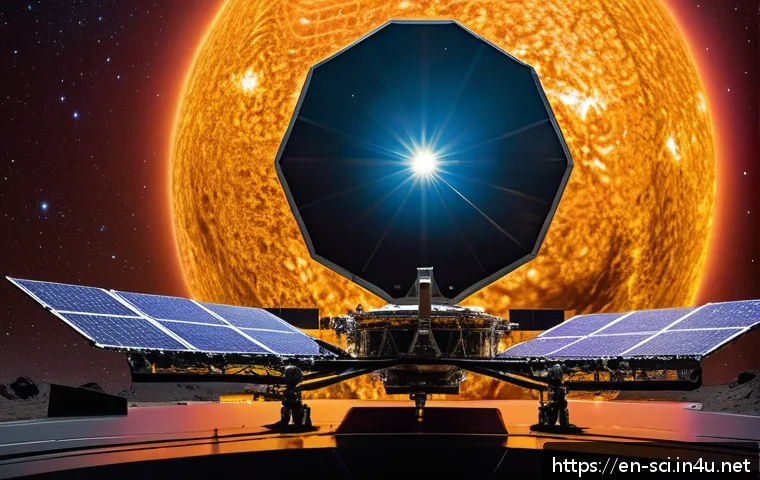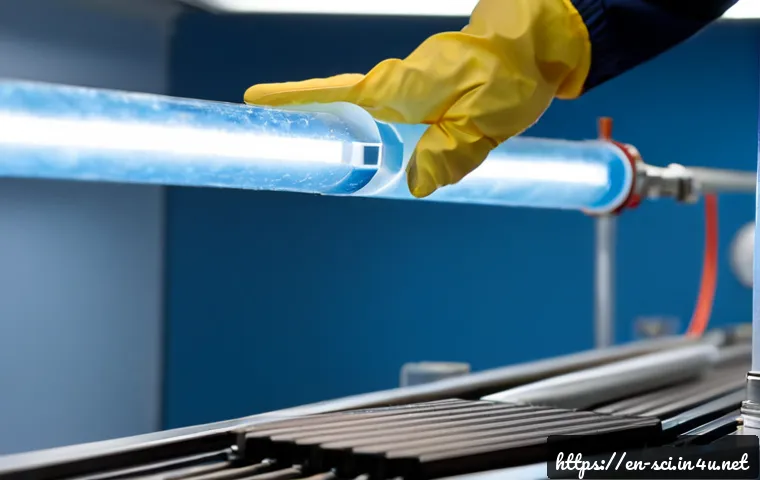
Superconductors can carry electrical current with extremely low resistance under specific conditions. Explore their use in MRI, research, power systems, transport, and quantum computing, plus the practical cooling, reliability, and procurement factors that shape real-world value.
Superconductors create the most value when a system needs very high magnetic fields, compact power handling, or extremely low electrical resistance under tightly controlled conditions.
They are often less practical when the cooling, service, installation, and uptime requirements outweigh the performance benefit. For buyers, the key question is not whether superconductivity is impressive in a laboratory, but whether the complete system improves reliability, capacity, or operating performance in a real facility.
MRI technology, research magnets, quantum hardware, and selected grid equipment all use superconducting designs for different reasons. A sound comparison includes cryogenic systems, local maintenance support, safety planning, and lifecycle cost—not only the equipment purchase price.
Conventional equipment may remain the better choice where operating conditions are simpler or specialized infrastructure is unavailable.
At a Glance
- Superconductors can carry direct current with effectively zero electrical resistance only below their critical temperature and within operating limits.
- The largest practical trade-off is usually cryogenic cooling infrastructure, including operation, maintenance, and facility readiness.
- Established uses include MRI magnets and research magnets, while quantum and grid applications require use-case-specific evaluation.
| Application | Primary Buyer Priority | Cooling Consideration | Main Cost Driver |
|---|---|---|---|
| MRI magnets | Stable imaging field and system uptime | Controlled cryogenic operation | Magnet system, service coverage, site support |
| Research magnets | Field performance and experimental flexibility | Low-temperature cooling or closed-cycle refrigeration | Specialist engineering and facility integration |
| Quantum systems | Ultra-low-temperature device operation and integration | Extremely low-temperature environment | Cooling capacity, electronics integration, technical expertise |
| Power applications | Power density, loss reduction, and grid reliability | Application-specific cryogenic design | Installation complexity and lifecycle service |
What Makes Superconductors Valuable in Real Systems?
Near-zero resistance is useful only within controlled limits
A superconducting material can conduct direct current with effectively zero electrical resistance when it operates below its critical temperature and within applicable current and magnetic-field limits. That feature can be valuable when a conventional conductor would create unwanted losses, excessive heat, or an impractically large system. Superconductivity also includes magnetic behavior such as the Meissner effect, where magnetic flux is excluded under certain conditions. These properties are powerful, but they are not automatic benefits outside a controlled operating environment.
Cooling infrastructure is often the central commercial trade-off
Conventional low-temperature superconductors commonly depend on cryogenic cooling, often using liquid helium or closed-cycle refrigeration systems. This makes the cooling architecture part of the product decision, not a secondary accessory. Procurement teams should consider equipment compatibility, electricity use, maintenance planning, installation constraints, and the ability to keep the required operating conditions stable. A lower-resistance component may deliver value, but the surrounding cryogenic system determines much of the operational burden.
Scientific promise is different from deployable equipment
High-temperature superconductors operate at comparatively higher temperatures than conventional superconductors, but they still generally need controlled cryogenic conditions. A material result or laboratory demonstration should therefore not be treated as proof of commercial readiness. A deployable system needs appropriate magnetic-field tolerance, critical current, dependable cooling, monitoring, service access, and a facility capable of supporting the equipment over time.
Where Superconducting Technology Is Used Today
Medical imaging and high-field diagnostic magnets
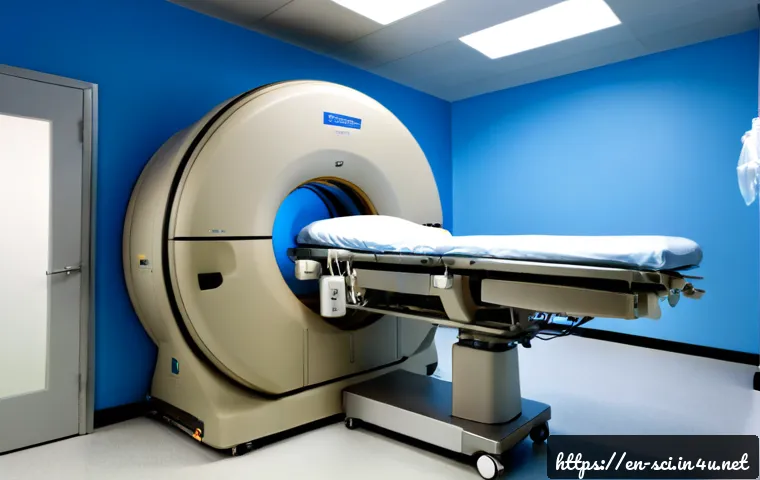
MRI scanners use powerful superconducting magnets to create stable magnetic fields for medical imaging. Niobium-titanium is widely used in superconducting magnets, including many MRI applications. For hospitals and imaging centers, the technical advantage must be paired with practical priorities: uptime, magnetic safety planning, maintenance coordination, and a clear service response process. The magnet is only one part of a larger MRI technology and facility-support decision.
Particle physics, fusion research, and laboratory magnets
Superconducting magnets are also used in particle-accelerator applications and research environments where high magnetic fields are important. Research buyers often need flexibility for changing experiments alongside field performance. Before selecting a magnet and refrigeration package, teams should verify facility readiness, cooling-system compatibility, operating procedures, and the availability of specialist engineering support.
Quantum computing hardware and ultra-low-temperature electronics
Superconducting circuits are used in several quantum-computing approaches because they can support quantum devices at extremely low temperatures. This use case is tightly tied to cooling capacity and integration expertise. Computing teams should avoid treating the superconducting circuit as a standalone purchase: the system also depends on the low-temperature environment, supporting electronics, operational procedures, and scalability requirements.
Power cables, fault-current limiters, motors, and generators
Grid-related superconducting equipment may reduce losses or increase power density in specific high-demand installations. Potential applications include power cables, fault-current limiters, motors, and generators. The business case depends on the actual load profile, available installation space, grid reliability goals, and the operating demands of the cryogenic equipment. Conventional grid hardware can remain more suitable where those conditions do not support the added complexity.
Magnetic levitation and transport-related concepts
Magnetic-field behavior makes superconductors relevant to magnetic levitation and other transport concepts. However, a transport concept must be evaluated as a complete infrastructure system. Material performance alone does not establish that cooling, safety, maintenance, operating environment, and installation requirements are commercially appropriate.
Comparing Applications, Cooling Needs, and Cost Drivers
Application value depends on the full operating system
For MRI magnets, stable field performance and dependable service are central. In research systems, field requirements and experimental flexibility may lead the decision. Quantum platforms require ultra-low-temperature integration, while energy projects must connect power-density or loss-reduction goals to real grid conditions. In every category, cooling requirements and maintenance capacity can be as important as the superconducting material itself.
Low-temperature versus high-temperature materials
Low-temperature superconductors are established in many magnet systems and commonly require cryogenic cooling. High-temperature superconductors can operate at comparatively higher temperatures, but they are not a universal substitute and still generally need controlled cryogenic conditions. Buyers should compare the required operating temperature, critical current, magnetic-field tolerance, mechanical integration, and vendor-supported cooling design rather than choosing based on the label “high-temperature.”
Equipment price is not the same as lifecycle value
A superconducting system may have a higher upfront equipment cost than a conventional alternative. Its value may come from performance that conventional equipment cannot readily provide, such as a powerful stable magnetic field or higher power density in a constrained setting. The relevant comparison includes energy use, planned maintenance, downtime risk, installation complexity, service contracts, and operational reliability. A lower initial quote can be misleading if it excludes essential cooling or support requirements.
Deployment Requirements, Risks, and Common Mistakes
Cryogenic safety, quench planning, ventilation, and monitoring

Cryogenic operations require a documented safety approach. Teams should plan for monitoring, ventilation, operating procedures, and the response process for a quench or another loss of superconducting operating conditions. The correct approach depends on the equipment and site. Safety and compliance requirements should be confirmed with the equipment provider and the relevant facility teams before installation.
Maintenance support affects lifecycle cost
Specialist equipment can be difficult to operate without timely technical support. A maintenance contract should be reviewed for scope, response process, planned service, spare-part arrangements, and responsibility for the cooling system. Local support capability may materially affect uptime planning, especially for medical imaging, research operations, and critical infrastructure installations.
Vendor specification mistakes to avoid
A common mistake is comparing a headline performance claim with no shared operating conditions. Ask whether each proposal states the operating temperature, critical current, magnetic-field conditions, cooling architecture, and installation assumptions. Also check whether quoted equipment includes the components needed for safe and sustained operation. A like-for-like comparison is more useful than a simple comparison of magnet, cable, or refrigeration unit price.
Evaluate performance under real installation conditions
Performance claims should be assessed under the conditions expected at the installation site, not only under laboratory conditions. Confirm the planned current load, magnetic-field requirements, operating environment, facility utilities, maintenance capacity, and downtime tolerance. This prevents an otherwise capable superconducting component from being placed in a system that cannot support it.
Which Use Case Fits Your Organization?
Hospitals and imaging centers
Hospitals and imaging centers should focus on uptime, service response, magnetic safety, and facility compatibility. MRI technology depends on the complete magnet and cryogenic support arrangement. Procurement discussions should include operational responsibilities as well as imaging-system specifications.
Research teams
Research organizations should define the required field performance and determine how much experimental flexibility is needed. Facility readiness matters: cooling capacity, installation access, safety processes, and technical staffing can influence whether a research magnet system is practical to operate.
Energy operators
Energy operators should start with the load profile and grid constraint they are trying to address. Superconducting power equipment may be relevant in specific high-demand settings, but installation constraints, cryogenic operation, maintenance resources, and grid reliability goals must be evaluated together.
Computing teams
Computing teams considering superconducting quantum hardware should assess cooling capacity, integration expertise, supporting electronics, and future scalability needs. The appropriate system design depends on the intended operating environment rather than the superconducting circuit alone.
Selection Criteria and Comparison Summary
Before requesting a quote, define the required magnetic field, current load, operating temperature, reliability target, and installation environment. Compare the cooling architecture, expected operational demands, planned maintenance, service coverage, safety planning, and compatibility with existing infrastructure. Ask vendors to state performance under equivalent operating conditions and identify what is included in commissioning and ongoing support. Review lifecycle value rather than equipment price alone, especially where downtime or facility changes could be significant. Compare cooling requirements, service coverage, installation constraints, and lifecycle costs before requesting a quote. Official product documentation and detailed service conditions should be checked on the relevant supplier page.
Closing Thoughts
Superconductors are already essential in several high-value systems, particularly MRI magnets and specialized research equipment. Their advantage comes from controlled performance, not from a material label alone. Cooling, safety, maintenance, and site integration define whether the technology is commercially sensible. The strongest purchasing decision connects technical requirements to a realistic operating plan.
Useful Information to Keep in Mind
Niobium-titanium is widely used in superconducting magnets, including many MRI and particle-accelerator applications. High-temperature superconductors operate at comparatively higher temperatures than conventional alternatives, but still generally require controlled cryogenic conditions. The Meissner effect describes magnetic-flux exclusion under certain conditions. These fundamentals help explain why superconducting equipment is both high-performing and operationally specialized.
Important Considerations
No single superconducting material, cooling method, or system design is best for every use case. Total ownership cost can vary with equipment scale, cryogenic infrastructure, electricity use, service agreements, installation complexity, and downtime risk. Technical claims should be verified against real operating temperature, critical current, magnetic-field tolerance, and site conditions. Regulatory, safety, and facility requirements also need confirmation for the specific installation.
Frequently Asked Questions
Q1. Are superconductors worth the cost for commercial applications?
A1. They can be worthwhile when their performance provides a clear operational advantage, such as stable high magnetic fields, compact power handling, or reduced losses in a suitable installation. The decision should include cooling, maintenance, installation, service, and downtime considerations rather than the equipment price alone.
Q2. Why do superconducting systems need expensive cooling equipment?
A2. Superconducting materials must remain below their required operating temperature and within relevant current and magnetic-field limits. Conventional low-temperature superconductors commonly use liquid helium or closed-cycle refrigeration systems, making cryogenic equipment a central part of the overall system.
Q3. Which industries are most likely to benefit from superconducting technology?
A3. Healthcare imaging, particle physics and laboratory research, quantum-computing development, and selected energy infrastructure projects are among the most relevant areas. The best fit depends on performance needs, cooling capability, maintenance resources, and installation conditions.