Ocean acidification reduces seawater pH and carbonate availability, affecting corals, shellfish, food webs, and coastal economies. Learn the key impacts, what to monitor, and how to assess response options.
Ocean acidification changes seawater chemistry in ways that can make it harder for some corals, shellfish, and plankton to build shells or skeletons. The highest concern is often found where sensitive organisms also face warming, low oxygen, runoff, pollution, or rapidly changing coastal water conditions.
For a simple educational project, basic water testing may be useful; for aquaculture, marine facilities, or coastal planning, broader carbonate chemistry monitoring can provide more relevant context.
The right approach depends on what decision the data must support, how variable the site is, and what happens if conditions are missed. A pH reading can be helpful, but it does not describe the full acidification picture on its own.
Monitoring equipment, laboratory analysis, and environmental consulting should be compared by calibration needs, sampling plans, reporting requirements, and total operating workload.
Local conditions matter, so site-specific conclusions require appropriate measurements and interpretation.
At a Glance
- Coral reefs, shellfish, and some plankton may be sensitive when carbonate availability declines.
- pH is useful but incomplete: carbonate chemistry provides a broader view of acidification-related conditions.
- Monitoring becomes more valuable when water conditions affect aquaculture, facility operations, coastal projects, or formal sustainability decisions.
| Option | Best for | Main strength | Key limitation |
|---|---|---|---|
| Basic pH testing | Education, simple field observations, routine facility checks | Offers a straightforward indicator of changing water conditions | Does not measure the full carbonate chemistry system |
| Full carbonate chemistry monitoring | Shellfish operations, coastal studies, higher-stakes marine decisions | Supports a more complete assessment of carbonate availability | Requires suitable methods, calibration, and interpretation |
| Laboratory analysis | Projects needing controlled analysis or documented results | Can add depth beyond routine field checks | Sampling and handling still need to match the project objective |
| Environmental consulting | Complex sites, planning decisions, sustainability reporting | Connects water data with local conditions and operational risk | Value depends on the scope, site information, and technical needs |
What Changing Seawater Chemistry Means for Marine Life
The Short Answer: Lower Carbonate Availability Can Make Shell and Skeleton Building More Difficult
The ocean absorbs a substantial share of carbon dioxide released into the atmosphere. When carbon dioxide dissolves in seawater, it forms carbonic acid and changes seawater chemistry. One important result is reduced availability of carbonate ions, which many organisms use to build shells and skeletons.
This does not mean every marine organism responds in the same way. Responses can differ by species, life stage, habitat, local water conditions, and the speed of chemical change. Still, organisms that depend on carbonate-based structures deserve particular attention when evaluating marine ecosystem risk.
Why pH Is Useful but Not Enough on Its Own
A pH meter can show whether water conditions are changing, which makes it a practical starting point for basic water-quality monitoring. However, pH alone is not a complete measure of ocean acidification. It does not fully show carbonate availability or explain how conditions may affect shell-building organisms.
For a classroom demonstration or routine aquarium check, pH may be appropriate as part of a simple observation plan. For a shellfish hatchery, coastal development assessment, or environmental reporting process, a broader carbonate chemistry approach may be more suitable.
How Carbon Dioxide Links Atmospheric Emissions to Seawater Chemistry
Ocean acidification is linked to carbon dioxide entering the ocean from the atmosphere. Reducing carbon dioxide emissions addresses the main global driver of this change. Local actions can reduce additional stress, but they do not replace the need to address the larger source of changing ocean chemistry.
Which Marine Ecosystems Are Most Exposed
Coral Reefs and Reef-Building Organisms
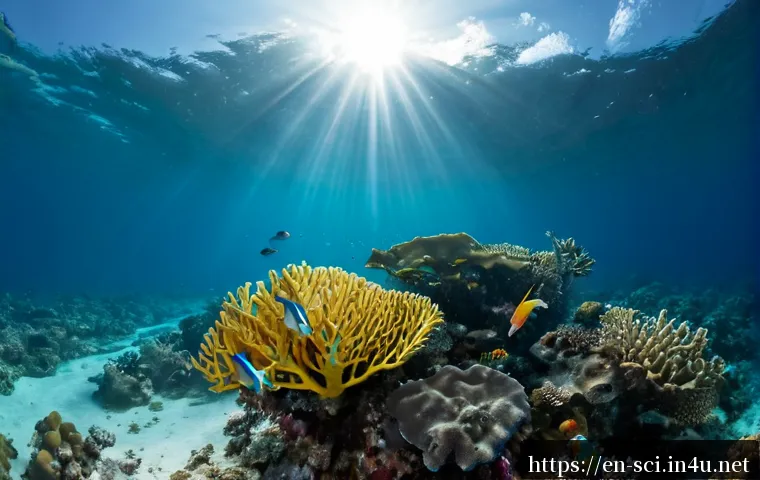
Corals and other reef-building organisms can be sensitive to reduced carbonate availability because their structures depend on seawater chemistry. Reef systems can also face warming, pollution, and other pressures at the same time. Looking at acidification in isolation may miss the combined burden on a reef habitat.
Shellfish Beds, Hatcheries, and Coastal Aquaculture
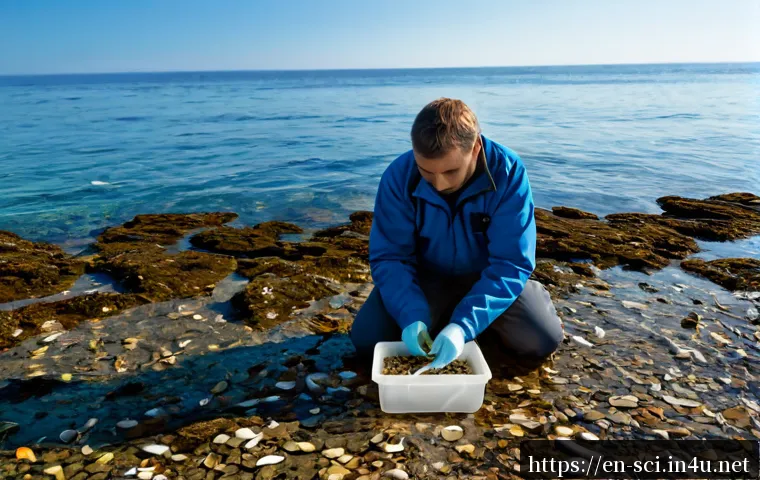
Oysters, clams, scallops, and other shellfish may be sensitive to changes in carbonate chemistry. This makes water-quality monitoring a practical operational question for shellfish beds, hatcheries, and coastal aquaculture settings. The goal is not simply to collect numbers; it is to understand whether changing conditions could affect decisions about water management, timing, site conditions, or further testing.
Where local water conditions change quickly, periodic pH checks may not capture the full pattern. A monitoring plan should reflect the site’s variability and the importance of the decision being made.
Plankton, Food Webs, and Fish Populations
Some plankton can be sensitive to carbonate chemistry changes. Because plankton are part of marine food webs, changes can matter beyond a single organism type. However, the exact outcome for a specific fish population, fishery, or location cannot be assumed without local evidence.
Why Local Conditions Can Increase or Reduce Risk
Coastal upwelling, runoff, and nutrient pollution can create local conditions that intensify acidification stress. Warming, deoxygenation, pollution, and overfishing may also occur alongside acidification. A coastal site should therefore be assessed as a connected system rather than through one reading or one pressure alone.
Monitoring Options: What to Measure and How to Compare Them
Basic Field Checks Versus Full Carbonate Chemistry Measurements
Basic field checks can help users observe water conditions and identify when further investigation may be useful. Full carbonate chemistry monitoring is more relevant when the question concerns carbonate availability, sensitive shell-building organisms, or a decision with operational consequences.
A practical monitoring plan begins with a clear question: Are you teaching a concept, maintaining stable conditions in a marine facility, assessing a shellfish operation, or preparing documentation for a coastal project? The answer helps determine whether internal testing is enough or whether laboratory analysis or environmental consulting is justified.
Comparison Table: Accuracy, Maintenance, Sampling Frequency, and Typical Use Case
| Decision Factor | Basic Testing | Expanded Monitoring or Analysis |
|---|---|---|
| Accuracy needs | Suitable when broad condition tracking is the goal | More appropriate when decisions depend on carbonate chemistry detail |
| Calibration and maintenance | Review routine care requirements before purchase | Plan for method consistency, quality control, and technical support |
| Sampling frequency | Can support occasional checks where conditions are relatively stable | May be needed where conditions vary or sensitive operations are involved |
| Typical use case | Education, basic aquarium checks, initial site observations | Aquaculture, coastal assessments, environmental reporting, complex sites |
When Laboratory Testing or Environmental Consulting Adds Value
Laboratory analysis may add value when field observations need more detailed chemical context. Environmental consulting may be useful when a project involves local circulation, habitat quality, multiple stressors, sustainability reporting, or a decision that could affect operations.
A consultant cannot remove uncertainty from a changing marine system. However, an appropriate scope can help connect monitoring data with the ecological objective, site conditions, and limits of the available evidence.
Common Purchasing Mistakes With Water-Quality Monitoring Tools
A common mistake is buying a device before defining the decision it must support. Another is treating a pH meter as a complete ocean acidification solution. Users should also avoid overlooking calibration workload, sampling frequency, reporting needs, data handling, and available technical support.
Compare monitoring equipment by the conditions it can realistically measure and the work required to keep data dependable. A lower-complexity tool may be appropriate for basic checks, while a more complete system may be justified when the consequences of incomplete information are higher.
Practical Response Strategies and Limitations
Cutting Carbon Emissions as the Central Long-Term Response

Reducing carbon dioxide emissions addresses the main global driver of ocean acidification. This is the central long-term response because the chemistry change begins with carbon dioxide entering seawater.
Reducing Runoff, Nutrient Pollution, and Other Local Stressors
Local actions can still matter. Reducing runoff, nutrient pollution, and other pressures may help limit conditions that intensify stress in coastal waters. These efforts should be viewed as complementary measures, not as a substitute for reducing carbon dioxide emissions.
Protecting Resilient Habitats and Improving Restoration Planning
Habitat protection and restoration planning can benefit from understanding local water conditions. Monitoring can help planners avoid assuming that all locations face the same exposure pathway. It can also support a more realistic discussion of whether restoration goals match the surrounding environmental conditions.
Why No Single Local Action Can Solve a Global Chemistry Problem
There is no universal local fix for ocean acidification. The effectiveness of a local intervention depends on emissions, water circulation, habitat quality, local pollution sources, and long-term monitoring data. Claims about recovery timelines or regional thresholds require careful, site-specific evaluation.
Guidance for Different Users and Coastal Settings
For Educators and Students: Explaining the Issue Without Oversimplifying It
Start with the carbon dioxide-to-seawater chemistry link, then explain why carbonate ions matter to organisms that build shells and skeletons. Make clear that pH is an important indicator, but not the whole story. This avoids presenting marine ecosystems as if every species responds identically.
For Shellfish and Aquaculture Operators: Identifying When Monitoring May Be Worthwhile
Monitoring may be worth considering when shellfish health, hatchery conditions, or operational planning depend on water quality. Begin by identifying the sensitive life stage, the variability of incoming water, and the action that would follow a concerning result. Those answers help determine whether basic testing, laboratory analysis, or external environmental support is appropriate.
For Aquariums and Marine Facilities: Maintaining Stable Water Conditions
Aquariums and marine facilities can use routine water-quality checks to support stable conditions. Where sensitive organisms are maintained, staff should consider whether pH alone answers their operational question. Equipment selection should account for calibration needs, maintenance capacity, and the facility’s ability to respond to changing conditions.
For Sustainability Teams: Connecting Marine Risk to Reporting and Project Decisions
Sustainability teams can connect ocean acidification to broader marine risk discussions involving emissions, coastal habitats, water quality, and project planning. Reporting should distinguish between known general mechanisms and unknown local outcomes. If a project requires location-specific claims, supporting evidence and appropriate technical review are important.
Selection Criteria and Comparison Summary
Choose a monitoring approach based on the ecological objective, how variable the site may be, and the stakes of making the wrong decision. Compare calibration needs, sampling frequency, reporting requirements, data quality, technical support, and total operating cost rather than focusing on the purchase alone. Use internal testing when the question is simple and the consequences are limited; consider laboratory analysis when more chemical detail is needed; consider an external environmental specialist when local conditions, multiple stressors, or formal project decisions need interpretation. Before committing, confirm what each tool measures, who will maintain it, how results will be recorded, and what action will follow the data. For equipment or service options, review the official specifications and support conditions on the relevant provider page.
In Closing
Ocean acidification is a chemistry change with ecological consequences, especially for organisms that rely on carbonate ions to build shells and skeletons. Its effects occur alongside warming, deoxygenation, pollution, and other pressures, so local context matters. Good monitoring begins with a clear purpose rather than a single device choice. The most useful approach is the one that matches the site, the organism or habitat of concern, and the decision the data must support.
Useful Things to Know
Carbonate availability is a central concern for many shell-building organisms.
pH readings can be informative, but they do not provide a complete acidification assessment by themselves.
Coastal runoff, nutrient pollution, and upwelling can influence local exposure conditions.
Carbon dioxide emissions reductions address the main global driver of ocean acidification.
Important Considerations
General ocean acidification mechanisms do not predict the exact impact on a particular reef, fishery, shellfish operation, or coastal location. The suitability of monitoring equipment, laboratory services, or environmental consulting depends on local site conditions and technical requirements. Future economic effects, recovery timelines, and ecosystem thresholds require location-specific evidence and should not be assumed from general information alone.
Frequently Asked Questions
Q1. How does ocean acidification affect coral reefs and shellfish?
A1. Ocean acidification can reduce the availability of carbonate ions used by many corals and shellfish to build shells and skeletons. The actual response varies by species, life stage, habitat, local water conditions, and other pressures such as warming or pollution.
Q2. Is a standard pH meter enough to monitor acidification risk in a coastal project or shellfish operation?
A2. A standard pH meter can be useful for basic water-condition checks, but pH alone does not describe the full carbonate chemistry relevant to acidification risk. For coastal projects or shellfish operations, the appropriate approach depends on site variability, the organisms involved, and the decision the data must support.
Q3. When is it worth hiring an environmental consultant for marine water-quality monitoring?
A3. Environmental consulting may be worth considering when monitoring results will influence coastal planning, aquaculture operations, sustainability reporting, habitat restoration, or other higher-stakes decisions. A specialist can help define the monitoring scope and interpret results in relation to local water circulation, habitat conditions, and multiple environmental pressures.